
Agricultural Films MarketSize, Share & Industry Analysis, 2026-2034By MaterialBy ApplicationBy TechnologyBy Crop TypeBy Film Type
Full title & scope — all 5 axes with their segments
Agricultural Films Market Size, Share & Industry Analysis, By Material (LDPE, LLDPE, HDPE, EVA/EBA, Reclaims, Others), By Application (Greenhouse, Mulching, Silage, Others), By Technology (Blown Film, Cast Film, Co-Extruded), By Crop Type (Fruits & Vegetables, Cereals & Grains, Oilseeds & Pulses, Others), By Film Type (Conventional Plastic Films, Biodegradable/Bio-based Films), and Regional Forecast, 2026-2034
Market outlook, key takeaways, drivers and challenges for the report period.
- 01By MaterialLDPE · LLDPE · HDPE
- 02By ApplicationGreenhouse · Mulching · Silage
- 03By TechnologyBlown Film · Cast Film · Co-Extruded
- 04By Crop TypeFruits & Vegetables · Cereals & Grains · Oilseeds & Pulses
- 05By Film TypeConventional Plastic Films · Biodegradable/Bio-based Films
- 06By Region
Market Analysis & Outlook
Agricultural films are flexible plastic sheeting products applied directly in crop production to manage soil temperature, moisture, weeds, light transmission or forage storage, most commonly as mulch film laid over planting beds, greenhouse or tunnel covering film, or silage and bale wrap used to preserve harvested forage. Buyers range from smallholder and commercial farm operators purchasing through agricultural input distributors and cooperatives, to greenhouse and protected-cultivation operators sourcing directly from converters for larger, specification-driven installations. The category spans a range of resin types, thicknesses and crop or livestock applications instead of a single standard product form.
USD 12.9 billion of revenue was recorded in the global agricultural films market in 2025. By 2034 the figure reaches USD 22.62 billion, a compound annual growth rate of 6.42% through the forecast period, along a series that runs USD 9.2 billion in 2020, USD 11.8 billion in 2024, USD 13.75 billion in 2026 and USD 17.63 billion in 2030.
On the material axis, growth rates run from 5.11% for LDPE up to 10.77% for Reclaims. LDPE carries the volume: USD 4.9 billion and 38% of revenue in 2025, USD 7.69 billion and 34% in 2034. EVA/EBA and Reclaims take share over the period; LDPE, LLDPE, HDPE and Others give it up while still growing in absolute terms.
By application, Mulching accounts for 42% of 2025 revenue at USD 5.42 billion, reaching USD 9.05 billion and 40% by 2034. Greenhouse grows faster at 7.46% against 5.86%, moving from 33% of revenue to 36% by 2034. This axis divides the same revenue as the material split instead of adding to it, so the two are read together and never summed.
Asia Pacific is the largest region at 40% of 2025 revenue, worth USD 5.16 billion and reaching USD 9.5 billion by 2034. Europe follows at 23%, moving from USD 2.97 billion to USD 4.75 billion, and Middle East and Africa is the smallest at 9%. Asia Pacific and Latin America gain share across the period, so growth is not distributed evenly between regions.
Coverage extends to five regions, six material lines and five segmentation axes over the full fifteen years. The 2025 total itself is a triangulation of published figures and category proxies, short of a directly sourced total, and the splits below are estimated on that same basis, a bound on their precision worth carrying into any use of them.
Market Size, 2020–2034
USD BillionRevenue in USD Billion. Values up to 2025 are actuals; 2026–2034 are forecast.
Key Takeaways
- The global agricultural films market moves from USD 9.2 billion in 2020 to USD 12.9 billion in 2025 and USD 22.62 billion by 2034, the forecast period compounding at 6.42% a year.
- 38% of 2025 revenue sits in LDPE (USD 4.9 billion) and it remains the largest material line in 2034 at USD 7.69 billion and 34%.
- At 10.77%, Reclaims grows faster than any other material line, moving from USD 1.16 billion and 9% of revenue in 2025 to USD 2.94 billion and 13% in 2034.
- The bull case puts 2034 revenue at USD 24.88 billion and the bear case at USD 20.58 billion, either side of the USD 22.62 billion base case, each with its own stated assumption in the full report.
- The largest region is Asia Pacific, generating USD 5.16 billion in 2025 (40% of the global total) and USD 9.5 billion by 2034, ahead of Europe at 23%.
- Within Asia Pacific, China is the worked country example, at USD 2.84 billion in 2025; 55% of regional revenue in the base year, and USD 4.94 billion by 2034.
- Every line on all five segmentation axes and in each of the five regions carries its own revenue, share and growth rate for all fifteen years, 2020 through 2034, on a 2025 base.
Market Trends
Revenue Share, By By Material
Base year 2025LDPE leads with 38.0% of by material segment revenue.
Share of by material segment revenue, most recent base year.
Three things move over 2026-2034, and they are worth separating: the material mix, the regional balance, and the 6.42% compounding underneath both.
Not one of them points downward. Growth is everywhere in absolute terms, and the interest is entirely in where it lands.
Composition shifts on the material axis. 10.77% against 5.11%: that gap, between Reclaims and LDPE, is the largest on the material axis. Over the forecast period that moves Reclaims from 9% of revenue to 13%, and LDPE from 38% to 34%. In absolute terms Reclaims rises from USD 1.16 billion to USD 2.94 billion, while LDPE rises from USD 4.9 billion to USD 7.69 billion. Both grow; the gap is wide enough to reshape the mix inside a single forecast window.
Asia Pacific and Latin America gain regional share. Asia Pacific moves from 40% of revenue in 2025 to 42% in 2034, worth USD 5.16 billion rising to USD 9.5 billion; Latin America moves from 13% of revenue in 2025 to 14% in 2034, worth USD 1.68 billion rising to USD 3.17 billion. Share moves off the others in turn: Europe at 23% moving to 21%, North America at 15% moving to 14%, Middle East and Africa at 9% moving to 9%, each still growing in revenue terms. Growth is therefore not something a participant inherits from the market; it depends on which regions its revenue is weighted toward.
Growth compounds at 6.42% without a step change. Reading the series: USD 9.2 billion in 2020, USD 11.8 billion in 2024, USD 12.9 billion in 2025, USD 13.75 billion in 2026, USD 17.63 billion in 2030 and USD 22.62 billion in 2034. Against 7% through the historical period, the 6.42% forecast rate is a continuation; no year in the series interrupts it. A plan built on this market is therefore a plan about capturing a share of steady expansion, which is decided on the material and regional axes, not by the headline rate.
Market Growth Factors
Growth is concentrated in Reclaims
Market Drivers
3- 01Growth is concentrated in Reclaims
Reclaims compounds at 10.77% against 6.42% for the market, rising from USD 1.16 billion in 2025 to USD 2.94 billion in 2034 and from 9% of revenue to 13%. The market's overall 6.42% depends on that rate holding: at the 5.11% recorded by LDPE, the same revenue base would compound to a materially smaller 2034 total. Where a supplier sits on this axis therefore decides whether it grows with the market or below it.
- 02The two largest regions hold most of the base
40% of 2025 revenue (USD 5.16 billion) is generated in Asia Pacific, reaching USD 9.5 billion by 2034, with share rising to 42%. Europe adds a further 23% at USD 2.97 billion, reaching USD 4.75 billion. Together the two account for the majority of both the 2025 base and the revenue added by 2034, which is why a regional plan treating all five regions at equal weight misreads where the growth actually lands.
- 03The trend is already in the record
Revenue rose through USD 9.2 billion in 2020, USD 11.8 billion in 2024 and USD 12.9 billion in 2025, a compound 7% across the historical period. The forecast continues at 6.42% to USD 22.62 billion in 2034. Fifteen years of unbroken growth in the series means the forecast rests on a demonstrated trajectory, not a projected turnaround, and it is why the 6.42% rate is applied flat across the whole period instead of ramped through it.
Growth drivers
| # | Growth driver | Impact | Gross contribution (Billion) | 2026-28 | 2029-31 | 2032-34 |
|---|---|---|---|---|---|---|
| 1 | Expansion of protected cultivation area | High | +3.4 | High | High | High |
| 2 | Mulching adoption in water-scarce growing regions | High | +2.9 | High | High | Medium |
| 3 | Growth in silage wrap demand from the livestock sector | Medium-High | +1.85 | Medium | Medium | Medium |
| 4 | Shift toward multi-layer and co-extruded high-barrier film | Medium | +1.4 | Medium | Medium | High |
| 5 | Reclaim-grade film uptake alongside recycling infrastructure growth | Medium | +1.1 | Low | Medium | High |
| 6 | Other regional and niche demand factors | Low | +0.57 | Low | Low | Low |
| Total | +11.22 | |||||
Restraints
| # | Restraint | Impact | Estimated reduction (Billion) | 2026-28 | 2029-31 | 2032-34 |
|---|---|---|---|---|---|---|
| 1 | Petrochemical feedstock price volatility | Medium-High | −0.7 | High | Medium | Medium |
| 2 | Regulatory restrictions on conventional mulch film in parts of Europe | Medium | −0.5 | Low | Medium | High |
| 3 | Competition from non-film weed and moisture management practices | Low | −0.3 | Low | Low | Medium |
| Total | −1.5 | |||||
Drivers contribute 11.22 Billion and restraints remove 1.5 Billion, a net 9.72 Billion, which is the revenue the market adds between the base year and 2034. Contributions are CDI estimates, apportioned so that they reconcile with the forecast rather than being read from it.
Three sources account for the growth to 2034: 6.42% compounding across the base, share moving toward the faster material lines, and above-market expansion in the leading regions.
Restraining Factors
Downside case: USD 20.58 billion by 2034, against USD 22.62 billion in the base case
Market Restraints
2- 01Downside case: USD 20.58 billion by 2034, against USD 22.62 billion in the base case
A bear case of USD 20.58 billion in 2034, against USD 22.62 billion in the base case, rests on one stated assumption: the bear case assumes a renewed petrochemical price spike raises film costs faster than growers can absorb, biodegradable-film mandates phase in ahead of affordable material substitutes, and greenhouse capex slows in the largest producing regions. Neither case changes the USD 12.9 billion 2025 base.
- 02The largest line is not the fastest
With 38% of 2025 revenue (USD 4.9 billion) LDPE is where most of the market sits, and it grows at only 5.11% against the market's 6.42%. Revenue still reaches USD 7.69 billion by 2034 and share still falls to 34%: a drag on the average, not a decline.
Market Opportunities
Upside case: USD 24.88 billion by 2034
Market Opportunities
2- 01Upside case: USD 24.88 billion by 2034
What would beat the forecast: the bull case assumes protected-cultivation area expands faster than currently planned, resin costs stay near their normalised trend, and reclaim-grade film scales without a price penalty to growers. That case reaches USD 24.88 billion in 2034 against USD 22.62 billion, and it is worth testing against a reader's own read of the market.
- 02Reclaims is where share changes hands
Reclaims grows at 10.77% against 6.42% for the market, adding revenue from USD 1.16 billion in 2025 to USD 2.94 billion in 2034 and taking its share from 9% to 13%. It is the place on this axis where share changes hands at scale, so it is where an entrant can take position without displacing the incumbent in LDPE.
Market Challenges
Concentration on the material axis
Market Challenges
2- 01Concentration on the material axis
One line dominates: LDPE, at 38% of revenue in 2025 and 34% in 2034, worth USD 4.9 billion and USD 7.69 billion. Anything that changes demand for it changes the headline number; nothing else on the axis carries that weight.
- 02Single-country exposure in Asia Pacific
55% of the leading region is one country: China, at USD 2.84 billion against Asia Pacific's USD 5.16 billion in 2025, and USD 4.94 billion by 2034. A regional number that depends this heavily on one country carries that country's specific conditions inside it, which a reader treating the region as diversified would miss.
Segmentation Analysis
5 axesfive segmentation axes are reported; by material, by application, technology, crop type and film type. Revenue does not add across them: each is a different cut of the same total.
Six material lines are reported. Two of them take share over the forecast period and the rest give it up, though every line grows in absolute terms between 2025 and 2034.
By Material · 6 segments
LDPE Led by Material in 2025, with Reclaims Growing Fastest
- Largest LDPE · 38%
- Fastest Reclaims · 10.8%
- Moves most LDPE · -4 pts
- Order by 2034 changes
| Segment | 2025 | Share | 2034 | Share | CAGR |
|---|---|---|---|---|---|
| LDPE | $4.90B | 38% | $7.69B | 34%-4 | 5.1% |
| LLDPE | $3.48B | 27% | $5.88B | 26%-1 | 6% |
| HDPE | $1.29B | 10% | $2.04B | 9%-1 | 5.2% |
| EVA/EBA | $1.55B | 12% | $3.17B | 14%+2 | 8.3% |
| Reclaims | $1.16B | 9% | $2.94B | 13%+4 | 10.8% |
| Others | $0.52B | 4% | $0.90B | 4% | 6.4% |
LDPE leads because of its low cost and well established processing base across mulch and greenhouse installations, while reclaim grade and EVA or EBA resin lines grow fastest as sustainability mandates and demand for stronger light transmission and thermal retention properties push converters toward recycled content and specialty co-extruded formulations. LDPE remains the largest line through 2034, so the axis changes in proportion, not in order. Every year of the series is priced on this axis, making it the reference cut for the rest of the report.
By Application · 4 segments
Mulching Held the Dominant Share of the Application Segment in 2025
- Largest Mulching · 42%
- Fastest Greenhouse · 7.5%
- Moves most Greenhouse · +3 pts
- Order by 2034 unchanged
| Segment | 2025 | Share | 2034 | Share | CAGR |
|---|---|---|---|---|---|
| Greenhouse | $4.26B | 33% | $8.14B | 36%+3 | 7.5% |
| Mulching | $5.42B | 42% | $9.05B | 40%-2 | 5.9% |
| Silage | $2.19B | 17% | $3.62B | 16%-1 | 5.7% |
| Others | $1.03B | 8% | $1.81B | 8% | 6.5% |
Mulching leads because it is the most universally adopted plasticulture practice across smallholder and commercial farms alike, needing only a single layer film to deliver weed and moisture control, while greenhouse film is the fastest growing line as food security concerns and land constraints push more regions toward protected, higher value cultivation. The order does not change: Mulching is still largest in 2034, and what moves is how much it holds.
By Technology · 3 segments
Scale in Blown Film and Growth in Co-Extruded Define the Technology Axis
- Largest Blown Film · 62%
- Fastest Co-Extruded · 10.9%
- Moves most Co-Extruded · +8 pts
- Order by 2034 changes
| Segment | 2025 | Share | 2034 | Share | CAGR |
|---|---|---|---|---|---|
| Blown Film | $8B | 62% | $12.67B | 56%-6 | 5.2% |
| Cast Film | $2.58B | 20% | $4.07B | 18%-2 | 5.2% |
| Co-Extruded | $2.32B | 18% | $5.88B | 26%+8 | 10.9% |
Blown film leads because it remains the lowest cost, most widely available production process for standard mulch and greenhouse film, while co-extrusion is the fastest growing route as converters add barrier and light diffusion layers that a single layer blown line cannot deliver, meeting stricter durability and crop yield expectations from commercial growers. Blown Film remains the largest line through 2034, so the axis changes in proportion, not in order.
By Crop Type · 4 segments
Scale and Growth Sit in the Same Line on the Crop type Axis: Fruits & Vegetables
- Largest Fruits & Vegetables · 46%
- Fastest Fruits & Vegetables · 6.9%
- Moves most Fruits & Vegetables · +2 pts
- Order by 2034 unchanged
| Segment | 2025 | Share | 2034 | Share | CAGR |
|---|---|---|---|---|---|
| Fruits & Vegetables | $5.94B | 46% | $10.86B | 48%+2 | 6.9% |
| Cereals & Grains | $3.61B | 28% | $5.88B | 26%-2 | 5.6% |
| Oilseeds & Pulses | $2.06B | 16% | $3.62B | 16% | 6.5% |
| Others | $1.29B | 10% | $2.26B | 10% | 6.4% |
Fruits and vegetables lead because they carry the highest per hectare value and the greatest sensitivity to soil temperature and moisture, making film use close to standard practice, while oilseeds and pulses grow fastest as mechanized, larger scale farms in emerging producing regions extend plasticulture practices beyond the horticultural crops where it began. Fruits & Vegetables remains the largest line through 2034, so the axis changes in proportion, not in order.
By Film Type · 2 segments
Conventional Plastic Films Led by Film type in 2025, with Biodegradable/Bio-based Films Growing Fastest
- Largest Conventional Plastic Films · 89%
- Fastest Biodegradable/Bio-based Films · 13.7%
- Moves most Conventional Plastic Films · -9 pts
- Order by 2034 unchanged
| Segment | 2025 | Share | 2034 | Share | CAGR |
|---|---|---|---|---|---|
| Conventional Plastic Films | $11.48B | 89% | $18.10B | 80%-9 | 5.2% |
| Biodegradable/Bio-based Films | $1.42B | 11% | $4.52B | 20%+9 | 13.7% |
Conventional film leads because it remains cheaper to produce and is still permitted across most producing regions, while biodegradable film is the fastest growing line as mandatory end of season removal and disposal rules in parts of Europe push growers toward compostable alternatives that avoid that labor and disposal cost entirely. The order does not change: Conventional Plastic Films is still largest in 2034, and what moves is how much it holds.
Regional Insights
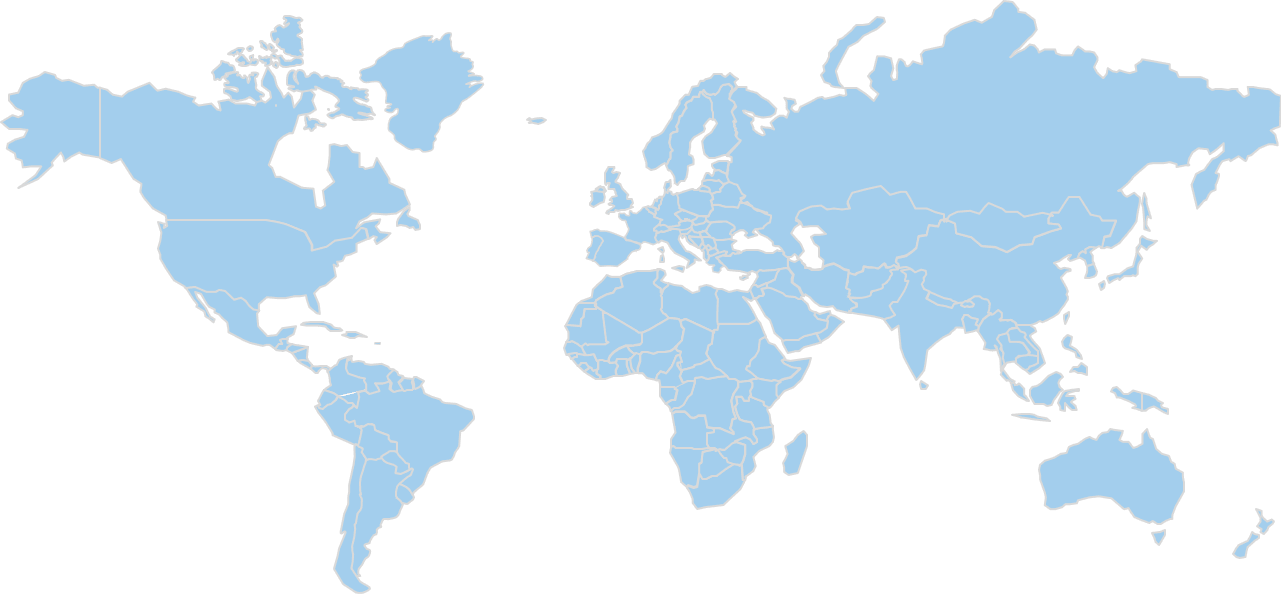
Regional Revenue Share
Base year 2025Share of global revenue in the base year.
Only the leading region's share is published outside the report; pins mark the region, not a specific country.
Asia Pacific Market Analysis
The largest region covered — it picks up 2 points of share by 2034, while revenue still grows 1.8×.
- Rank 1 of 5
- 2025 share 40%
- By 2034 42%
- Revenue $5.16B → $9.50B
In Asia Pacific, 40% of global revenue puts 2025 at USD 5.16 billion with USD 9.5 billion projected for 2034. By revenue it sits first across the study, and the ranking does not change between 2025 and 2034.
Its share rises to 42% over the forecast period, because it outgrows the market's 6.42%; the revenue added here is disproportionate to where the region started.
Within the region the material split tracks the global one; 38% of 2025 revenue in LDPE, fastest growth of 10.77% in Reclaims. The full report breaks Asia Pacific out along every axis and by country.
China
The largest market in Asia Pacific, growing 1.7×.
- In region 1 of 3
- Of region 55%
- Of global 22%
- Revenue $2.84B → $4.94B
55% of Asia Pacific's base-year revenue comes from China; USD 2.84 billion, rising to USD 4.94 billion by 2034. It accounts for 55% of regional revenue in the base year, the largest single share without dominating the region outright. The region itself runs USD 5.16 billion to USD 9.5 billion over the same period, and this is the market carrying the country-level detail in the full report.
Composition here matches the global split: the largest line is LDPE at 38% of 2025 revenue, easing to 34% by 2034, and the fastest is Reclaims at 10.77%, from 9% to 13%. Its 55% weight in Asia Pacific means those movements carry straight into the regional totals. The full report reports China by material separately.
Agricultural mulch and greenhouse film in China falls under the joint oversight of the Ministry of Agriculture and Rural Affairs and the Standardization Administration of China. Producers must conform to the national standard governing mulch film thickness and mechanical strength, introduced specifically to curb the soil-residue pollution associated with thin, easily fragmented film. Provincial agricultural authorities enforce collection and recycling obligations on farmers and film suppliers alike, and film sold for field use must carry labelling that states thickness and material composition so inspectors can verify compliance at the point of sale. Biodegradable formulations are assessed against separate degradation-performance criteria before they can be marketed as an alternative to conventional polyethylene mulch.
Competition in China runs between the suppliers this study tracks: Rani Plast (Finland), Armando Alvarez (Spain), BASF SE (Germany), Berry Global Inc. (U.S.), Kuraray Co., Ltd. (Japan), Coveris (U.K.), rkw Group (Germany), Trioworld Industrier AB (Sweden), Exxon Mobil Corporation (U.S.), Groupe Barbier (France), Novamont S.p.A (Italy) and Others. LDPE, at 38% of 2025 revenue, is where the volume sits, and Reclaims, growing at 10.77%, is where position changes hands over the forecast period. Country-level positioning and shares for each of these companies are part of the full report, not of this summary.
India
2nd-largest in Asia Pacific, growing 2.1×.
- In region 2 of 3
- Of region 25%
- Of global 10%
- Revenue $1.29B → $2.66B
Within Asia Pacific, India accounts for 25% of regional revenue and 10% of the global total, worth USD 1.29 billion in 2025 and USD 2.66 billion by 2034.
Japan
3rd-largest in Asia Pacific, growing 1.7×.
- In region 3 of 3
- Of region 12%
- Of global 4.8%
- Revenue $0.62B → $1.05B
4.8% of global revenue is generated in Japan; USD 0.62 billion in 2025, reaching USD 1.05 billion in 2034, and 12% of Asia Pacific.
Europe Market Analysis
The 2nd-largest region covered, and the one giving up the most — 2 points of share move elsewhere by 2034.
- Rank 2 of 5
- 2025 share 23%
- By 2034 21%
- Revenue $2.97B → $4.75B
Europe holds 23% of the global agricultural films market in 2025, worth USD 2.97 billion with USD 4.75 billion projected for 2034. That makes it the second-largest region covered, in 2025 and again in 2034.
Its share moves to 21% by 2034, a shift in share, not in direction: revenue climbs every year while the market's centre of gravity moves elsewhere.
The material mix reported at global level applies here, with LDPE the largest line at 38% of 2025 revenue and Reclaims the fastest-growing at 10.77%. Per-axis and per-country detail for Europe sits in the full report.
Spain
The largest market in Europe, growing 1.6×.
- In region 1 of 3
- Of region 30%
- Of global 6.9%
- Revenue $0.89B → $1.43B
The largest single market in Europe is Spain, at USD 0.89 billion in 2025 and USD 1.43 billion in 2034. At 30% of the region in 2025 it leads, but a majority of Europe's revenue is generated in other markets. The region itself runs USD 2.97 billion to USD 4.75 billion over the same period, and this is the market carrying the country-level detail in the full report.
The material pattern in Spain is the global one: 38% of 2025 revenue in LDPE, 34% by 2034, against 10.77% growth in Reclaims taking it from 9% to 13%. Because the country carries 30% of Europe, a movement in its own mix shows up in the regional totals instead of being averaged away by neighbouring markets. Per-material revenue for Spain appears on its own in the full report.
As an EU member state, Spain applies the REACH framework to the polymer resins and additives used in agricultural film, governing how these substances are registered and communicated along the supply chain. Conventional mulch and silage film sit outside the EU's single-use plastics restrictions, which target consumer packaging rather than farm inputs, but biodegradable film marketed as such must meet the European standard for biodegradability in soil to justify that claim. Spain also operates its own extended producer responsibility scheme for agricultural plastic waste, requiring suppliers to finance and organise collection of used film. Labelling must disclose polymer type and any degradability claim clearly enough for both farmers and waste handlers to sort the material correctly.
The suppliers tracked in this study (Rani Plast (Finland), Armando Alvarez (Spain), BASF SE (Germany), Berry Global Inc. (U.S.), Kuraray Co., Ltd. (Japan), Coveris (U.K.), rkw Group (Germany), Trioworld Industrier AB (Sweden), Exxon Mobil Corporation (U.S.), Groupe Barbier (France), Novamont S.p.A (Italy) and Others) compete in Spain across the material lines above. Two different problems sit on the same axis: holding LDPE at 38% of 2025 revenue, and taking Reclaims while it grows at 10.77%. The commercial size of that position is USD 2.97 billion in 2025 and USD 4.75 billion by 2034, 23% of the global total in the base year.
Germany
2nd-largest in Europe, growing 1.5×.
- In region 2 of 3
- Of region 22%
- Of global 5%
- Revenue $0.65B → $1B
5% of global revenue is generated in Germany; USD 0.65 billion in 2025, reaching USD 1 billion in 2034, and 22% of Europe.
France
3rd-largest in Europe, growing 1.6×.
- In region 3 of 3
- Of region 18%
- Of global 4.1%
- Revenue $0.53B → $0.86B
Within Europe, France accounts for 18% of regional revenue and 4.1% of the global total, worth USD 0.53 billion in 2025 and USD 0.86 billion by 2034.
North America Market Analysis
The 3rd-largest region covered — 1 point of share move elsewhere by 2034, while revenue still grows 1.6×.
- Rank 3 of 5
- 2025 share 15%
- By 2034 14%
- Revenue $1.94B → $3.17B
USD 1.94 billion of 2025 revenue is generated in North America, 15% of the global agricultural films market on the way to USD 3.17 billion by 2034. By revenue it sits third across the study, and the ranking does not change between 2025 and 2034.
By 2034 the share stands at 14%, a shift in share, not in direction: revenue climbs every year while the market's centre of gravity moves elsewhere.
The material mix reported at global level applies here, with LDPE the largest line at 38% of 2025 revenue and Reclaims the fastest-growing at 10.77%. Revenue for North America is broken out by every segmentation axis and by country in the full report.
United States
Sets the pace for North America at 70% of it, growing 1.6×.
- In region 1 of 3
- Of region 70%
- Of global 10.5%
- Revenue $1.35B → $2.22B
The United States is the largest market within North America, generating USD 1.35 billion in 2025 and projected to reach USD 2.22 billion by 2034. 70% of the region in 2025 means the regional figures are, in practice, a view of this market with others attached. Against regional totals of USD 1.94 billion in 2025 and USD 3.17 billion in 2034, it is the country the full report breaks out in detail.
Composition here matches the global split: the largest line is LDPE at 38% of 2025 revenue, easing to 34% by 2034, and the fastest is Reclaims at 10.77%, from 9% to 13%. Because the country carries 70% of North America, a movement in its own mix shows up in the regional totals instead of being averaged away by neighbouring markets. The United States carries its own material breakdown in the full report.
Agricultural film in the United States is regulated less as a single product category than as several overlapping ones. Plain polyethylene mulch and greenhouse film face general commerce and packaging-waste rules set at the state level, since no federal statute treats film as a pesticide or a regulated agricultural input on its own. Film incorporating a pesticidal or antimicrobial claim, however, falls under the Federal Insecticide, Fungicide, and Rodenticide Act and requires registration with the Environmental Protection Agency. Biodegradable film intended for use in certified organic production must additionally meet the biobased and soil-degradation criteria set by the USDA National Organic Program, and manufacturers commonly reference the ASTM compostability standard to substantiate degradability claims made to buyers.
Rani Plast (Finland), Armando Alvarez (Spain), BASF SE (Germany), Berry Global Inc. (U.S.), Kuraray Co., Ltd. (Japan), Coveris (U.K.), rkw Group (Germany), Trioworld Industrier AB (Sweden), Exxon Mobil Corporation (U.S.), Groupe Barbier (France), Novamont S.p.A (Italy) and Others are the suppliers covered in the United States. The commercially relevant division is 38% of 2025 revenue in LDPE, where the volume is, against 10.77% growth in Reclaims, where share moves. That makes North America a 15% share of 2025 global revenue, USD 1.94 billion rising to USD 3.17 billion, for any supplier deciding where to concentrate.
Canada
2nd-largest in North America, growing 1.6×.
- In region 2 of 3
- Of region 18%
- Of global 2.7%
- Revenue $0.35B → $0.57B
Canada is sized at USD 0.35 billion in 2025, rising to USD 0.57 billion by 2034; 2.7% of global revenue and 18% of North America. It is reported separately from the United States across every segmentation axis in the full report.
Mexico
3rd-largest in North America, growing 1.6×.
- In region 3 of 3
- Of region 12%
- Of global 1.8%
- Revenue $0.23B → $0.37B
Mexico is sized at USD 0.23 billion in 2025, rising to USD 0.37 billion by 2034; 1.8% of global revenue and 12% of North America. It is reported separately from the United States across every segmentation axis in the full report.
Latin America Market Analysis
The 4th-largest region covered — it picks up 1 point of share by 2034, while revenue still grows 1.9×.
- Rank 4 of 5
- 2025 share 13%
- By 2034 14%
- Revenue $1.68B → $3.17B
13% of the global agricultural films market sits in Latin America in 2025, worth USD 1.68 billion rising to USD 3.17 billion in 2034. That makes it the fourth-largest region covered, in 2025 and again in 2034.
By 2034 the share has moved up to 14%, because it outgrows the market's 6.42%; the revenue added here is disproportionate to where the region started.
The material mix reported at global level applies here, with LDPE the largest line at 38% of 2025 revenue and Reclaims the fastest-growing at 10.77%. Latin America is reported axis by axis and country by country in the full study.
Brazil
Sets the pace for Latin America at 60% of it, growing 1.9×.
- In region 1 of 2
- Of region 60%
- Of global 7.8%
- Revenue $1.01B → $1.90B
USD 1.01 billion of Latin America's 2025 revenue is generated in Brazil, the region's largest market, reaching USD 1.9 billion by 2034. Because it is 60% of the region in the base year, Latin America's totals move with this one country instead of a spread of them. Against regional totals of USD 1.68 billion in 2025 and USD 3.17 billion in 2034, it is the country the full report breaks out in detail.
The material pattern in Brazil is the global one: 38% of 2025 revenue in LDPE, 34% by 2034, against 10.77% growth in Reclaims taking it from 9% to 13%. Since 60% of Latin America's revenue is generated here, the regional numbers inherit this market's mix instead of smoothing it out. Per-material revenue for Brazil appears on its own in the full report.
Agricultural film sold in Brazil is treated as a production input under the authority of the Ministério da Agricultura, Pecuária e Abastecimento, which oversees the registration of materials used in crop cultivation. Product quality and dimensional conformity are assessed through INMETRO's certification system, and film manufacturers must demonstrate that thickness, tensile strength, and material composition match what is declared on the packaging before distribution. Where a film is marketed with a biodegradable or oxo-degradable claim, that claim must be substantiated against recognised degradation-testing criteria rather than asserted on packaging alone. Environmental agencies at the state level also increasingly require documented end-of-life collection arrangements from suppliers of large-volume agricultural plastics.
The suppliers tracked in this study (Rani Plast (Finland), Armando Alvarez (Spain), BASF SE (Germany), Berry Global Inc. (U.S.), Kuraray Co., Ltd. (Japan), Coveris (U.K.), rkw Group (Germany), Trioworld Industrier AB (Sweden), Exxon Mobil Corporation (U.S.), Groupe Barbier (France), Novamont S.p.A (Italy) and Others) compete in Brazil across the material lines above. The commercially relevant division is 38% of 2025 revenue in LDPE, where the volume is, against 10.77% growth in Reclaims, where share moves. That makes Latin America a 13% share of 2025 global revenue, USD 1.68 billion rising to USD 3.17 billion, for any supplier deciding where to concentrate.
Argentina
2nd-largest in Latin America, growing 1.9×.
- In region 2 of 2
- Of region 25%
- Of global 3.3%
- Revenue $0.42B → $0.79B
Argentina is sized at USD 0.42 billion in 2025, rising to USD 0.79 billion by 2034; 3.3% of global revenue and 25% of Latin America. It is reported separately from Brazil across every segmentation axis in the full report.
Middle East and Africa Market Analysis
The 5th-largest region covered, holding its share flat through 2034, while revenue still grows 1.8×.
- Rank 5 of 5
- 2025 share 9%
- By 2034 9%
- Revenue $1.16B → $2.03B
Middle East and Africa holds 9% of the global agricultural films market in 2025, worth USD 1.16 billion with USD 2.03 billion projected for 2034. By revenue it sits fifth across the study, and the ranking does not change between 2025 and 2034.
Share settles at 9% in 2034, while nothing contracts here; other regions simply grow faster, which shows up as relative weight, not as falling revenue.
Segment composition follows the global pattern: LDPE largest at 38% of 2025 revenue, Reclaims fastest at 10.77%. Revenue for Middle East and Africa is broken out by every segmentation axis and by country in the full report.
Egypt
The largest market in Middle East and Africa, growing 1.7×.
- In region 1 of 2
- Of region 35%
- Of global 3.2%
- Revenue $0.41B → $0.71B
The largest single market in Middle East and Africa is Egypt, at USD 0.41 billion in 2025 and USD 0.71 billion in 2034. At 35% of the region in 2025 it leads, but a majority of Middle East and Africa's revenue is generated in other markets. Set against USD 1.16 billion and USD 2.03 billion for the region, it is why this market, and not a smaller one, is the one reported in full.
Demand in Egypt follows the material mix reported at global level: LDPE is the largest line at 38% of 2025 revenue, moving to 34% by 2034, while Reclaims grows fastest at 10.77% and takes its share from 9% to 13%. Because the country carries 35% of Middle East and Africa, a movement in its own mix shows up in the regional totals instead of being averaged away by neighbouring markets. Per-material revenue for Egypt appears on its own in the full report.
Agricultural film entering the Egyptian market is subject to standards set by the Egyptian Organization for Standardization and Quality, which defines the physical and material specifications a mulch or greenhouse film must meet before sale. The Ministry of Agriculture and Land Reclamation oversees its use as a recognised agricultural input, particularly in reclaimed and desert-adjacent farmland where film-based cultivation is actively promoted. Imported film is additionally checked for conformity by Egypt's import-control authorities, which verify that shipments match their declared specification sheets rather than relying on the exporter's own documentation. Labelling requirements are comparatively general, focused on identifying the manufacturer and material type rather than mandating a specific degradability standard.
Competition in Egypt runs between the suppliers this study tracks: Rani Plast (Finland), Armando Alvarez (Spain), BASF SE (Germany), Berry Global Inc. (U.S.), Kuraray Co., Ltd. (Japan), Coveris (U.K.), rkw Group (Germany), Trioworld Industrier AB (Sweden), Exxon Mobil Corporation (U.S.), Groupe Barbier (France), Novamont S.p.A (Italy) and Others. The commercially relevant division is 38% of 2025 revenue in LDPE, where the volume is, against 10.77% growth in Reclaims, where share moves. Weighting toward Middle East and Africa means competing for 9% of 2025 global revenue, a base of USD 1.16 billion moving to USD 2.03 billion across the forecast period.
South Africa
2nd-largest in Middle East and Africa, growing 1.8×.
- In region 2 of 2
- Of region 25%
- Of global 2.2%
- Revenue $0.29B → $0.51B
2.2% of global revenue is generated in South Africa; USD 0.29 billion in 2025, reaching USD 0.51 billion in 2034, and 25% of Middle East and Africa.
Request this sample to see the full data tables and segment-level detail behind this analysis.
Report Coverage
This report assesses the market across every segment, with revenue and a growth rate for each line in each year of the study period. It covers the drivers, trends, opportunities, restraints and challenges shaping growth, the competitive landscape and the companies profiled, and the research methodology behind every estimate. Segmentation is reported by Material, Application, Technology, Crop Type, Film Type, and regional analysis covers Asia Pacific, Europe, North America, Latin America, Middle East and Africa, each broken out by country.
Competitive Landscape
Scale in LDPE and Growth in Reclaims Set the Terms of Competition
Twelve suppliers are covered: Rani Plast (Finland), Armando Alvarez (Spain), BASF SE (Germany), Berry Global Inc. (U.S.), Kuraray Co., Ltd. (Japan), Coveris (U.K.), rkw Group (Germany), Trioworld Industrier AB (Sweden), Exxon Mobil Corporation (U.S.), Groupe Barbier (France), Novamont S.p.A (Italy) and Others.
The material axis, not the regional one, is where competition happens. The largest block of revenue is LDPE: USD 4.9 billion in 2025 at 38% of the total, 34% in 2034. Incumbency there is expensive to challenge. Movement is concentrated in Reclaims; 10.77% growth, against 5.11% at the other end of the axis in LDPE. Holding the first and taking the second are separate capabilities, which is why a market of USD 12.9 billion supports as many suppliers as it does.
What separates suppliers in this market is manufacturing scale across blown, cast and co-extrusion lines, since a converter able to offer all three wins specification decisions a single-process producer cannot. Formulation expertise in UV stabilisation and light-diffusion additives matters most for greenhouse film, while distribution reach into farm cooperatives and agricultural distributors decides who wins mulch and silage volume in fragmented, price-sensitive regions. The largest players add reclaim and recycling capability, positioning them ahead of tightening biodegradability rules. Smaller and regional producers compete instead on local distribution relationships and lower-cost single-layer film.
Geographic reach is the other axis of competition. Asia Pacific alone accounts for 40% of 2025 revenue, so a supplier absent there is absent from the largest part of the market whatever its position elsewhere; Europe adds a further 23%.
Company-level profiles, financials, shares and development histories are held in the full report and not in this summary.
List of Key Agricultural Films Market Companies Profiled
12 companies profiled. Company profiles, including financials, product portfolios and recent developments, are part of the full report.
- Rani Plast (Finland)
- Armando Alvarez (Spain)
- BASF SE (Germany)
- Berry Global Inc. (U.S.)
- Kuraray Co., Ltd. (Japan)
- Coveris (U.K.)
- rkw Group (Germany)
- Trioworld Industrier AB (Sweden)
- Exxon Mobil Corporation (U.S.)
- Groupe Barbier (France)
- Novamont S.p.A (Italy)
- Others
Geographic Coverage
Every market below is broken out separately in the report.
Asia Pacific
12Europe
8North America
3Latin America
3Middle East and Africa
4Key Insights
Report Scope
Study parameters & segmentationThis study covers market size and forecasts over the 2020–2034 period, segmentation across 5 axes (Material, Application, Technology, Crop Type, Film Type), regional analysis for 5 regions and their constituent countries, a competitive landscape profiling 12 key companies, and the research methodology behind every estimate.
Segmentation
5 axes + regionFull chapter-and-section structure of the report. Segment, region, and company breakdowns are listed as scope. The underlying figures are in the sample and full report.
Table of Contents+−
Chapter 1.Executive Summary
Chapter 2.Premium Insights
Chapter 3.Market Definition
Chapter 4.Research Methodology
Chapter 5.Strategic Imperatives & Market Outlook
Chapter 6.Go-to-Market (GTM) Strategies
Chapter 7.Market Trends, Strategy & Dynamics
Chapter 8.Porter's Five Forces
Chapter 9.PESTEL Analysis
Chapter 10.Value Chain Analysis
Chapter 11.Supply Chain Analysis
Chapter 12.Macro-Economic Factors
Chapter 13.Market Cost Analysis
Chapter 14.Market Supply-Side Analysis
Chapter 15.Global Agricultural Films Market Size & Projections, 2020–2034, Revenue (USD Billion)
Chapter 16.Global Agricultural Films Market Overview, By Material, 2020–2034, Revenue (USD Billion)
Chapter 17.Global Agricultural Films Market Overview, By Application, 2020–2034, Revenue (USD Billion)
Chapter 18.Global Agricultural Films Market Overview, By Technology, 2020–2034, Revenue (USD Billion)
Chapter 19.Global Agricultural Films Market Overview, By Crop Type, 2020–2034, Revenue (USD Billion)
Chapter 20.Global Agricultural Films Market Overview, By Film Type, 2020–2034, Revenue (USD Billion)
Chapter 21.Global Agricultural Films Market Size — Segment Comparison
Chapter 22.Global Agricultural Films Geography Overview, 2020–2034, Revenue (USD Billion)
Chapter 23.Asia Pacific Agricultural Films Market Deep-Dive, 2020–2034, Revenue (USD Billion)
Chapter 24.Europe Agricultural Films Market Deep-Dive, 2020–2034, Revenue (USD Billion)
Chapter 25.North America Agricultural Films Market Deep-Dive, 2020–2034, Revenue (USD Billion)
Chapter 26.Latin America Agricultural Films Market Deep-Dive, 2020–2034, Revenue (USD Billion)
Chapter 27.Middle East and Africa Agricultural Films Market Deep-Dive, 2020–2034, Revenue (USD Billion)
Chapter 28.Application / Use-Case Analysis
Chapter 29.Vendor Capability Scorecard
Chapter 30.Scenario Forecasts
Chapter 31.Top 10 Key Clients of Top 10 Players
Chapter 32.Top 10 Suppliers
Chapter 33.Competitive Landscape
Chapter 34.Partnerships & M&A
Chapter 35.Key Vendor Analysis
Chapter 36.Marketing Strategy Analysis, Distributors & Traders
Chapter 37.Outlook of the Market
Chapter 38.Concluding Analyst Note
List of Figures+−
Structural index generated from this report's own section headings, not verified against the delivered report's actual figure numbering.
List of Tables+−
Structural index generated from this report's own section headings, not verified against the delivered report's actual table numbering.
Segmentation Analysis
5 axesBy Material
6- 01LDPE
- 02LLDPE
- 03HDPE
- 04EVA/EBA
- 05Reclaims
- 06Others
By Application
4- 01Greenhouse
- 02Mulching
- 03Silage
- 04Others
By Technology
3- 01Blown Film
- 02Cast Film
- 03Co-Extruded
By Crop Type
4- 01Fruits & Vegetables
- 02Cereals & Grains
- 03Oilseeds & Pulses
- 04Others
By Film Type
2- 01Conventional Plastic Films
- 02Biodegradable/Bio-based Films
Segment categories shown for scope reference. See the Summary tab for revenue share by By Material. Full segment-by-segment detail across every axis is available in the sample and full report.
Research approach
A market size is a claim about the world, and a claim is only as good as the route to it. Every study is built upward from units and prices — what is actually produced, sold or performed, at what it actually changes hands for — rather than from a headline figure divided downwards. Disclosed company revenue is then used to check that build, not to produce it.
Sizing starts from the bottom up. Estimated hectares under mulch, greenhouse and silage-wrap coverage by region are combined with per-hectare film consumption rates to derive tonnage demand, then multiplied by realised per-kilogram prices by resin grade (LDPE, LLDPE, HDPE, EVA/EBA and reclaim). That build is checked against the polymer-film and packaging-film segment disclosures of the resin producers and converters named in this report, including BASF, ExxonMobil, Kuraray and Berry Global. Where the two diverge, the correction runs through the bottom-up side: a per-hectare consumption or price assumption for the affected region or resin grade is revisited, not averaged against the disclosed figure.
The four stages
The same sequence runs behind every published study, whatever the industry. The order matters as much as the steps: the segment axes are fixed before any number is collected, so the model is never reshaped to fit whatever data happens to turn up.
What the build rests on, and what checks it
The two are not interchangeable. The left column produces the number; the right column tests it. When the check disagrees with the build, the answer is to find which bottom-up assumption is wrong — a unit count, a price, a take-up rate — not to split the difference between them.
- Volume actually transacted — units produced, installed, dispensed or procedures performed, counted at the level each is genuinely recorded
- Realised pricing by tier and channel, rather than one blended average applied across the whole market
- Take-up and frequency: how much of the addressable base buys, and how often it repeats
- Disclosed revenue of the companies serving the market, where filings separate it far enough to be usable
- Buyer-side spending totals — capital budgets, procurement lines, or the output of the end market the product is bought against
- Trade and customs flows, where the product crosses borders in a separately recorded form
Data sources
Published data establishes what happened. Only the people transacting in a market can say why, and what is about to change — so the two are collected separately and weighted differently.
- Commercial and product leadership at the companies that supply the market
- Procurement and specification leads at the organisations that buy it
- Distributors, integrators and channel partners, where the market is served indirectly
- Regulatory and standards specialists, where approval governs what can be sold at all
- Company filings, annual reports and investor disclosure
- Government statistics, customs records and regulatory registers
- Trade association output and standards-body publications
- Technical and peer-reviewed literature, where the market rests on a clinical or engineering claim
Interviews target the commercial and technical roles that set film specification and price: procurement managers at large horticultural and row-crop operations, plant managers and product-development leads at film converters, and compliance staff at companies affected by regional biodegradability rules. Distributors and farm-cooperative buyers are sampled for the resale step between converter and grower. Sampling weights Europe and Asia Pacific most heavily, since regulatory change in the former and cultivated-area growth in the latter are the two forces most likely to move the estimate, with North America and Latin America covered at a lighter but representative level.
Desk research draws on FAOSTAT and national agriculture-ministry statistics for area under protected and mulched cultivation, Eurostat and UN Comtrade trade data filed under the HS 3920 and 3921 plastic-film headings, PlasticsEurope resin production and consumption data, and published registers of the European member states that restrict non-biodegradable mulch film. Company-level input comes from the polymer and packaging-film segment disclosures in the annual reports of the resin producers and converters named in this report, cross-checked against national plastics-industry association output figures where a company does not break out agricultural film separately.
Desk research runs across proprietary research databases including Factiva, OneSource and Hoovers alongside the public sources above. Modelling and statistical validation are run in SAS and SPSS.
Forecasting
The forecast is not a growth rate applied to a base year. It is built from the drivers that are expected to change, each one stated so a reader can disagree with it.
The forecast is built from projected growth in area under protected and mulched cultivation by region, the pace at which reclaim-grade and co-extruded film substitute for single-layer virgin-resin film, and the phase-in schedule of biodegradable-film mandates already enacted or proposed in parts of Europe. Resin pricing is normalised to a long-run trend instead of the elevated levels seen during the recent petrochemical price spike, since that spike is treated as a temporary anomaly, not a new baseline. The forecast holds if greenhouse and mulch area keep expanding at their recent pace and no major producing region reverses its current biodegradability policy direction.
Triangulation and validation
No figure enters a report on the strength of one source. Where the two sizing routes disagree the difference is not averaged away — the assumption causing it is isolated, tested against a third independent measure, and either corrected or carried forward as a stated limitation. Historical years are back-tested against the growth actually recorded before any forecast is allowed to run forward from them.
Outputs are back-tested against recorded shipment and revenue growth for the 2020-2024 period to confirm the historical series does not imply a resin-grade or regional shift inconsistent with known plastics-industry output data. Segment analysts reviewed the projected move toward reclaim-grade and biodegradable film for plausibility against current regulatory timelines, and the regional split was checked against greenhouse and mulch area estimates published by agricultural statistics bodies. Sensitivities were run on resin price and on the pace of biodegradable-mandate adoption, since those two assumptions move the forecast total more than any other input.
Confidence and limitations
Where an estimate is firm and where it is not is stated rather than left to be inferred from the precision of the number.
Confidence is firmest for the material and application splits, where resin-grade pricing and regional cultivation-area data are both well documented. It is thinner for the crop-type and technology splits, where public data rarely separates film use by crop or by production process and the estimate leans more on converter interviews than on published statistics. The clearest risk to the current figures is a faster or slower rollout of biodegradable-film mandates than assumed, since that single policy variable can move both the resin-mix split and the regional total more than a normal demand swing would.
Every report purchase includes direct access to the lead analyst for scoping questions on the data, at no extra cost and with no separate booking process.
Request a tailored breakdown by geography, segment, or competitor set beyond what's in the standard report.
Questions This Report Answers
6 questionsWhat is the market size and growth rate, globally and by region?
How is the market segmented, and which segments lead?
Which regions and countries are covered, and how do they compare?
What are the key drivers, restraints, opportunities and challenges?
Who are the leading companies operating in this market?
What trends are expected to shape the market through the forecast period?
Frequently Asked Questions
01What is the Agricultural Films Market projected to reach?
USD 22.62 Billion by 2034, CAGR 6.42%
02What years does this report cover?
Study period 2020–2034, base year 2025, historical data 2020-2024, forecast period 2026-2034.
03Which regions are covered?
Asia Pacific, Europe, North America, Latin America, Middle East and Africa.
04Which region accounted for the largest market share?
Asia Pacific leads with 40% of global revenue through 2034.
05Which segment leads the market?
LDPE is the largest line by Material, at 38% of revenue in 2025.
06Who are the key companies profiled?
Rani Plast (Finland), Armando Alvarez (Spain), BASF SE (Germany), Berry Global Inc. (U.S.), Kuraray Co., Ltd. (Japan), Coveris (U.K.), rkw Group (Germany), Trioworld Industrier AB (Sweden), Exxon Mobil Corporation (U.S.), Groupe Barbier (France), Novamont S.p.A (Italy), Others. Full profiles are part of the paid report.
07Can the segmentation be customized?
Yes. Custom data cuts by geography, segment, or competitor set are available on request.
Why choose CDI
Need this report shaped around your question?
The scope isn't fixed. Tell us what your team needs that the standard edition doesn't cover, and an analyst will come back on what can be adjusted and how long it takes, before you commit to anything.
Most licences include 30–60 hours of customization at no extra cost. See what each licence includes
Additional Companies
Add competitors, suppliers or the peer set you benchmark against to the companies already covered.
Deeper Competitive View
Sharpen the landscape work around your own position: product line, channel, or a named shortlist of rivals.
Extra Segment Splits
Break the market down along an axis the standard scope doesn't cut it by, or go a level deeper inside one.
Application Focus
Narrow the analysis to the specific use cases and end users your team actually sells into.
Different Time Frame
Move the base year, or widen the historical and forecast windows the study is built on.
Country-Level Detail
Go below region level into the individual countries that matter to you, rather than the standard geography split.