
Bb Cream MarketSize, Share & Industry Analysis, 2026-2034By TypeBy ApplicationBy Distribution ChannelBy Industry VerticalBy End User
Full title & scope — all 5 axes with their segments
Bb Cream Market Size, Share & Industry Analysis, By Type (Air Cushion, Bottled), By Application (Oily Skin, Dry Skin, Combination Skin, Others), By Distribution Channel (Online Channels, Supermarkets/Hypermarkets, Multi Branded Retail Stores, Departmental/Grocery Stores, Exclusive Retail Stores, Others), By Industry Vertical (Cosmetics & Personal Care, Skincare Essentials, Consumer Goods, Others), By End User (Women, Men, Unisex/Genderless), and Regional Forecast, 2026-2034
Market outlook, key takeaways, drivers and challenges for the report period.
- 01By TypeAir Cushion · Bottled
- 02By ApplicationOily Skin · Dry Skin · Combination Skin
- 03By Distribution ChannelOnline Channels · Supermarkets/Hypermarkets · Multi Branded Retail Stores
- 04By Industry VerticalCosmetics & Personal Care · Skincare Essentials · Consumer Goods
- 05By End UserWomen · Men · Unisex/Genderless
- 06By Region
Market Analysis & Outlook
BB cream is a multifunctional cosmetic product that combines skin tinting, light coverage, and skincare benefits such as hydration, sun protection, and blemish concealment in a single formulation. It is sold in both air cushion compact and bottled or tube formats, and is purchased by consumers seeking a simplified daily routine that reduces the number of separate makeup and skincare steps. Buyers range from mass-market consumers shopping through general retail and online channels to premium and luxury beauty shoppers purchasing through department stores and exclusive retail counters.
USD 5.35 billion of revenue was recorded in the global bb cream bb cream market in 2025. By 2034 the figure reaches USD 10.27 billion, a compound annual growth rate of 7.53% through the forecast period, along a series that runs USD 3.55 billion in 2020, USD 4.95 billion in 2024, USD 5.75 billion in 2026 and USD 7.68 billion in 2030.
The type mix shifts over the period. Air Cushion is the largest line in 2025 at USD 3.1 billion, a 57.9% share, moving to USD 6.57 billion and 64% by 2034. Air Cushion grows fastest at 8.7%, taking its share from 57.9% to 64%, while Bottled grows slowest at 5.67%. Air Cushion take share over the period; Bottled give it up while still growing in absolute terms.
The application split puts Oily Skin first, at USD 1.82 billion and 34% of revenue in 2025, rising to USD 3.39 billion and 33% in 2034. Combination Skin grows faster at 7.85% against 7.16%, moving from 30.1% of revenue to 31% by 2034. It cuts the same total as the type axis from a different commercial angle, so revenue does not add across the two.
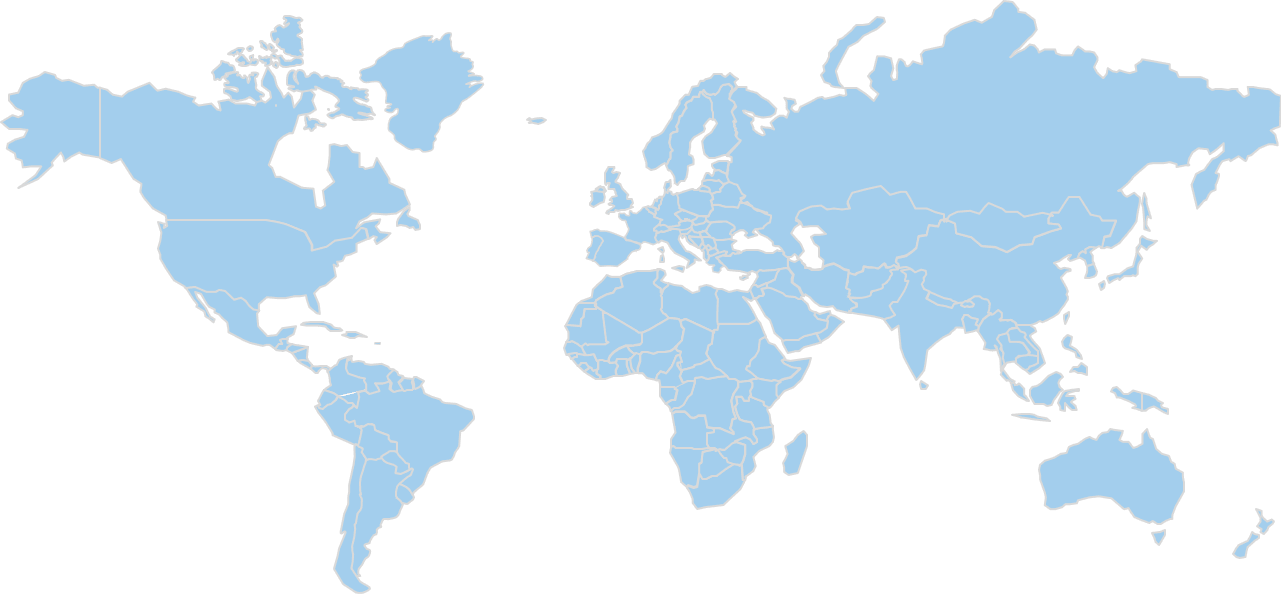
The regional order runs from Asia Pacific at 38.1% of 2025 revenue down to Middle East and Africa at 6.9%. Asia Pacific is worth USD 2.04 billion in 2025 and USD 4.22 billion in 2034; North America, second at 23.9%, moves from USD 1.28 billion to USD 2.26 billion. Because Asia Pacific and Middle East and Africa take share, the revenue added by 2034 concentrates instead of spreading across all five regions.
Behind these figures sit five regions, two type lines and five segmentation axes, each reported for every year from 2020 to 2034. The headline 2025 value is triangulated from published sources and category proxies, with no independently sourced count behind it, and the same applies to the segment, regional and country breakdowns drawn from it.
Market Size, 2020–2034
USD BillionRevenue in USD Billion. Values up to 2025 are actuals; 2026–2034 are forecast.
Key Takeaways
- The global bb cream bb cream market moves from USD 3.55 billion in 2020 to USD 5.35 billion in 2025 and USD 10.27 billion by 2034, the forecast period compounding at 7.53% a year.
- The largest line by type is Air Cushion, worth USD 3.1 billion and 57.9% of revenue in 2025, rising to USD 6.57 billion and 64% by 2034.
- Against a base case of USD 10.27 billion in 2034, the study also reports a bear case at USD 9.04 billion and a bull case at USD 11.5 billion, with the assumptions behind each set out separately.
- 38.1% of 2025 revenue is generated in Asia Pacific, worth USD 2.04 billion and rising to USD 4.22 billion by 2034; Middle East and Africa is smallest at 6.9%.
- 29.9% of Asia Pacific's base-year revenue comes from China alone: USD 0.61 billion in 2025, rising to USD 1.35 billion by 2034, which is why it is that region's worked example.
- Every line on all five segmentation axes and in each of the five regions carries its own revenue, share and growth rate for all fifteen years, 2020 through 2034, on a 2025 base.
Market Trends
Revenue Share, By By Type
Base year 2025Air Cushion leads with 57.9% of by type segment revenue.
Share of by type segment revenue, most recent base year.
Read across the forecast period, the global bb cream bb cream market shows movement in three places: type composition, regional weight, and the 7.53% rate applied to the whole.
The direction of the market is not in question in any of the three. Each line and each region grows in revenue terms; what separates them is which takes the larger part of the growth.
Air Cushion outpaces Bottled. Between 2026 and 2034, 8.7% growth in Air Cushion against 5.67% in Bottled pulls the type mix apart. Over the forecast period that moves Air Cushion from 57.9% of revenue to 64%, and Bottled from 42.1% to 36%. Revenue rises on both sides; USD 3.1 billion to USD 6.57 billion and USD 2.25 billion to USD 3.7 billion respectively, so this is a change in composition, not a contraction, and one forecast window is long enough for it to matter.
Growth concentrates in Asia Pacific and Middle East and Africa. Asia Pacific moves from 38.1% of revenue in 2025 to 41.1% in 2034, worth USD 2.04 billion rising to USD 4.22 billion; Middle East and Africa moves from 6.9% of revenue in 2025 to 8% in 2034, worth USD 0.37 billion rising to USD 0.82 billion. Share moves off the others in turn: North America at 23.9% moving to 22%, Europe at 22.1% moving to 20%, Latin America at 9% moving to 9%, each still growing in revenue terms. The practical consequence is that regional weighting decides whether a participant matches the market rate or trails it, regardless of how its own revenue reads.
Growth compounds at 7.53% without a step change. The market moves through USD 3.55 billion in 2020, USD 4.95 billion in 2024, USD 5.35 billion in 2025, USD 5.75 billion in 2026, USD 7.68 billion in 2030 and USD 10.27 billion in 2034. No year breaks the trajectory, and the 7.53% forecast rate compares with 8.55% recorded over 2020-2025, a continuation, not an inflection. For a participant that makes planning a question of capturing a share of steady expansion instead of timing a discontinuity, and it is why the type and regional mixes matter more to a forecast than the headline rate does.
Market Growth Factors
Air Cushion carries the market's growth rate
Market Drivers
3- 01Air Cushion carries the market's growth rate
At 8.7% against a market rate of 7.53%, Air Cushion is the line pulling the average up: USD 3.1 billion to USD 6.57 billion, and 57.9% of revenue to 64%. The market's overall 7.53% depends on that rate holding: at the 5.67% recorded by Bottled, the same revenue base would compound to a materially smaller 2034 total. That makes position on the type axis a growth decision, not a product one.
- 02Regional weight, not regional count
38.1% of 2025 revenue (USD 2.04 billion) is generated in Asia Pacific, reaching USD 4.22 billion by 2034, with share rising to 41.1%. Behind it, North America holds 23.9%; USD 1.28 billion rising to USD 2.26 billion. Between them they hold most of the base and most of the revenue added over the period, so equal-weighting the regions in a plan misstates where the growth is.
- 03Fifteen years of unbroken growth underpin the forecast
USD 3.55 billion in 2020, USD 4.95 billion in 2024 and USD 5.35 billion in 2025: 8.55% compound growth before the forecast period even begins. From there the forecast carries 7.53% through to USD 10.27 billion in 2034. A forecast extending an observed trend is a different proposition from one proposing a turn, and that is why no ramp is applied: the 7.53% runs evenly across the period.
Growth drivers
| # | Growth driver | Impact | Gross contribution (Billion) | 2026-28 | 2029-31 | 2032-34 |
|---|---|---|---|---|---|---|
| 1 | Rising demand for multifunctional, hybrid skincare and makeup products | High | +1.55 | High | High | High |
| 2 | Expansion of K-beauty-influenced formulations and air cushion formats | High | +1.25 | High | High | Medium |
| 3 | Growth of e-commerce and direct-to-consumer beauty retail | Medium-High | +1.05 | Medium | High | High |
| 4 | Increasing male grooming and unisex product adoption | Medium | +0.55 | Low | Medium | Medium |
| 5 | Premiumization and wider shade-inclusive product ranges | Medium | +0.45 | Medium | Medium | Medium |
| 6 | Others | Low | +0.32 | Low | Low | Low |
| Total | +5.17 | |||||
Restraints
| # | Restraint | Impact | Estimated reduction (Billion) | 2026-28 | 2029-31 | 2032-34 |
|---|---|---|---|---|---|---|
| 1 | Regulatory scrutiny over cosmetic ingredient safety and labeling | Medium | −0.15 | Medium | Medium | Medium |
| 2 | Price sensitivity and private label competition in mass retail | Medium-High | −0.1 | Medium | Medium | High |
| Total | −0.25 | |||||
Drivers contribute 5.17 Billion and restraints remove 0.25 Billion, a net 4.92 Billion, which is the revenue the market adds between the base year and 2034. Contributions are CDI estimates, apportioned so that they reconcile with the forecast rather than being read from it.
Three sources account for the growth to 2034: 7.53% compounding across the base, share moving toward the faster type lines, and above-market expansion in the leading regions.
Restraining Factors
The bear case and what drives it
Market Restraints
2- 01The bear case and what drives it
The study's downside path assumes bear case assumes slower cushion-format adoption outside South Korea and Japan and deeper private label price pressure across mass retail channels than the base case expects, and ends 2034 at USD 9.04 billion against the USD 10.27 billion base case, the same USD 5.35 billion base year, a slower forecast period.
- 02Bottled grows below the market rate
Bottled carries 42.1% of 2025 revenue at USD 2.25 billion but compounds at 5.67% against 7.53% for the market, taking its share to 36% by 2034 even as revenue rises to USD 3.7 billion. Because it carries that much of the base, its pace holds the blended rate down more than any faster line lifts it.
Market Opportunities
Where the forecast could be beaten
Market Opportunities
2- 01Where the forecast could be beaten
The upside path assumes bull case assumes faster cushion-format conversion across bottled-dominant markets and quicker scaling of male and unisex product lines than the base case expects. It ends 2034 at USD 11.5 billion against a USD 10.27 billion base case, off the same USD 5.35 billion base year.
- 02The opening is on the type axis, not the regional one
Air Cushion grows at 8.7% against 7.53% for the market, adding revenue from USD 3.1 billion in 2025 to USD 6.57 billion in 2034 and taking its share from 57.9% to 64%. It is the place on this axis where share changes hands at scale, so it is where an entrant can take position without displacing the incumbent in Air Cushion.
Market Challenges
Revenue is concentrated in Air Cushion
Market Challenges
2- 01Revenue is concentrated in Air Cushion
Air Cushion is 57.9% of 2025 revenue at USD 3.1 billion and still 64% at USD 6.57 billion in 2034. Anything that changes demand for it changes the headline number; nothing else on the axis carries that weight.
- 02China is 29.9% of Asia Pacific
China generates USD 0.61 billion of Asia Pacific's USD 2.04 billion in 2025, 29.9% of the region, reaching USD 1.35 billion by 2034. The consequence is that regional risk here is really country risk wearing a larger label.
Segmentation Analysis
5 axesThe market is divided by type and by application, distribution channel, industry vertical and end user; five axes in all. Revenue does not add across them: each is a different cut of the same total.
Two type lines are reported. One of them takes share over the forecast period and the other gives it up, though every line grows in absolute terms between 2025 and 2034.
By Type · 2 segments
Air Cushion Holds the Largest Type Share and Is Still the Quickest to Grow
- Largest Air Cushion · 57.9%
- Fastest Air Cushion · 8.7%
- Moves most Air Cushion · +6.1 pts
- Order by 2034 unchanged
| Segment | 2025 | Share | 2034 | Share | CAGR |
|---|---|---|---|---|---|
| Air Cushion | $3.10B | 57.9% | $6.57B | 64%+6.1 | 8.7% |
| Bottled | $2.25B | 42.1% | $3.70B | 36%-6.1 | 5.7% |
Air cushion packaging leads because its sponge-and-compact format allows faster, more even application and better portability than bottled products, features that resonate strongly in markets where cushion foundations already shape consumer habits. It also grows fastest as brands extend cushion formats into new price tiers and skin-tone ranges, while bottled formats remain preferred mainly for their lower cost and simpler manufacturing. By 2034 Air Cushion is still ahead, making this a shift in weight, not a change of leader. Every year of the series is priced on this axis, making it the reference cut for the rest of the report.
By Application · 4 segments
Combination Skin Outpaces the Axis While Oily Skin Holds the Largest Share
- Largest Oily Skin · 34%
- Fastest Combination Skin · 7.8%
- Moves most Oily Skin · -1 pts
- Order by 2034 unchanged
| Segment | 2025 | Share | 2034 | Share | CAGR |
|---|---|---|---|---|---|
| Oily Skin | $1.82B | 34% | $3.39B | 33%-1 | 7.2% |
| Dry Skin | $1.50B | 28% | $2.88B | 28% | 7.5% |
| Combination Skin | $1.61B | 30.1% | $3.18B | 31%+0.9 | 7.8% |
| Others | $0.42B | 7.9% | $0.82B | 8%+0.1 | 7.7% |
Oily skin formulations lead because oil control and mattifying finish were the original value proposition that built demand for BB cream, and that positioning still anchors purchase decisions in humid and warmer climates. Combination skin formulas grow fastest as brands develop zone-specific formulations that balance oil control and hydration in one product, appealing to the broadest range of everyday users. Oily Skin remains the largest line through 2034, so the axis changes in proportion, not in order.
By Distribution Channel · 6 segments
Online Channels Holds the Largest Distribution channel Share and Is Still the Quickest to Grow
- Largest Online Channels · 29%
- Fastest Online Channels · 9.8%
- Moves most Online Channels · +6 pts
- Order by 2034 changes
| Segment | 2025 | Share | 2034 | Share | CAGR |
|---|---|---|---|---|---|
| Online Channels | $1.55B | 29% | $3.59B | 35%+6 | 9.8% |
| Supermarkets/Hypermarkets | $1.18B | 22.1% | $1.95B | 19%-3.1 | 5.8% |
| Multi Branded Retail Stores | $0.96B | 17.9% | $1.75B | 17%-0.9 | 6.9% |
| Departmental/Grocery Stores | $0.75B | 14% | $1.13B | 11%-3 | 4.7% |
| Exclusive Retail Stores | $0.64B | 12% | $1.34B | 13%+1 | 8.6% |
| Others | $0.27B | 5% | $0.51B | 5% | 7.3% |
Online channels lead and grow fastest because beauty shoppers increasingly research shades and skin-type suitability through reviews and video content before buying, and marketplaces let smaller and regional brands reach shoppers without physical shelf space. Supermarkets and hypermarkets remain a strong secondary channel for routine restocking, while exclusive retail stores hold share among shoppers who want in-person shade matching before a premium purchase. The order does not change: Online Channels is still largest in 2034, and what moves is how much it holds.
By Industry Vertical · 4 segments
Cosmetics & Personal Care Led by Industry vertical in 2025, with Skincare Essentials Growing Fastest
- Largest Cosmetics & Personal Care · 62.1%
- Fastest Skincare Essentials · 9%
- Moves most Skincare Essentials · +3.1 pts
- Order by 2034 unchanged
| Segment | 2025 | Share | 2034 | Share | CAGR |
|---|---|---|---|---|---|
| Cosmetics & Personal Care | $3.32B | 62.1% | $6.16B | 60%-2.1 | 7.1% |
| Skincare Essentials | $1.28B | 23.9% | $2.77B | 27%+3.1 | 9% |
| Consumer Goods | $0.54B | 10.1% | $0.92B | 9%-1.1 | 6.1% |
| Others | $0.21B | 3.9% | $0.42B | 4.1%+0.2 | 8% |
Cosmetics and personal care leads because BB cream is classified and marketed primarily as a color cosmetic first, with skincare functions treated as an added benefit and not the core promise. Skincare essentials grows fastest as brands reformulate around treatment ingredients and market the product as a daily skincare step instead of a makeup item, broadening its appeal beyond traditional cosmetics buyers. By 2034 Cosmetics & Personal Care is still ahead, making this a shift in weight, not a change of leader.
By End User · 3 segments
Men Outpaces the Axis While Women Holds the Largest Share
- Largest Women · 83.9%
- Fastest Men · 11%
- Moves most Women · -4.9 pts
- Order by 2034 unchanged
| Segment | 2025 | Share | 2034 | Share | CAGR |
|---|---|---|---|---|---|
| Women | $4.49B | 83.9% | $8.11B | 79%-4.9 | 6.8% |
| Men | $0.48B | 9% | $1.23B | 12%+3 | 11% |
| Unisex/Genderless | $0.38B | 7.1% | $0.93B | 9.1%+2 | 10.5% |
Women remain the largest end-user group because BB cream was developed for and continues to be marketed predominantly toward female skincare and makeup routines through established retail and online channels. Men and unisex positioned lines grow fastest off a small base as grooming brands introduce tinted, skin-improving products aimed at reducing the stigma around makeup-adjacent purchases for male and non-binary consumers. By 2034 Women is still ahead, making this a shift in weight, not a change of leader.
Regional Insights
Regional Revenue Share
Base year 2025Share of global revenue in the base year.
Only the leading region's share is published outside the report; pins mark the region, not a specific country.
North America Market Analysis
The 2nd-largest region covered — 1.9 points of share move elsewhere by 2034, while revenue still grows 1.8×.
- Rank 2 of 5
- 2025 share 23.9%
- By 2034 22%
- Revenue $1.28B → $2.26B
23.9% of the global bb cream bb cream market sits in North America in 2025, worth USD 1.28 billion rising to USD 2.26 billion in 2034. That makes it the second-largest region covered, in 2025 and again in 2034.
By 2034 the share stands at 22%, though revenue still rises throughout; the shift is in the region's weight against faster-growing ones, which is not the same as weakening demand.
Segment composition follows the global pattern: Air Cushion largest at 57.9% of 2025 revenue, Air Cushion fastest at 8.7%. North America is reported axis by axis and country by country in the full study.
United States
Sets the pace for North America at 85.2% of it, growing 1.8×.
- In region 1 of 2
- Of region 85.2%
- Of global 20.4%
- Revenue $1.09B → $1.92B
The largest single market in North America is the United States, at USD 1.09 billion in 2025 and USD 1.92 billion in 2034. 85.2% of the region in 2025 means the regional figures are, in practice, a view of this market with others attached. Regional revenue of USD 1.28 billion in 2025 and USD 2.26 billion in 2034 sits around it, and it is the country used wherever the full report cuts a figure by geography.
Demand in the United States follows the type mix reported at global level: Air Cushion is the largest line at 57.9% of 2025 revenue, moving to 64% by 2034, while Air Cushion grows fastest at 8.7% and takes its share from 57.9% to 64%. Because the country carries 85.2% of North America, a movement in its own mix shows up in the regional totals instead of being averaged away by neighbouring markets. Per-type revenue for the United States appears on its own in the full report.
BB cream sold in the United States is regulated by the Food and Drug Administration as a cosmetic under the Federal Food, Drug, and Cosmetic Act, with tinted or blemish-balm formulations bearing SPF claims also subject to the agency's OTC sunscreen monograph. A supplier must ensure the product is neither adulterated nor misbranded, list ingredients on the label in descending order of predominance, and identify the manufacturer or distributor and net quantity of contents. Color additives used in the formulation must be FDA-approved for cosmetic use, and any sun protection claim requires supporting testing consistent with the monograph's labeling categories. Registration of the facility and product listing through the agency's cosmetic registration program is expected of manufacturers and processors. Marketing claims must stay within cosmetic bounds and avoid drug-like therapeutic assertions unless the product is formulated and reviewed as an OTC drug.
Competition in the United States runs between the suppliers this study tracks: L&rsquo, Oreal S.A., The Estee Lauder Companies Inc., The Clorox Company, L'Occitane International S.A., AmorePacific Corporation, Stila Styles LLC, Tarte Inc., Lancome SA, Groupe Marcelle, Bobbi Brown Professional Cosmetics Inc., Physicians Formula Holdings Inc., Clinique Laboratories LLC, Dr. Jart, Missha US Inc., Shiseido Company, Limited, Unilever, Christian Dior SE, Avon Products, Inc., Coty, Inc., Revlon, Inc. and and others.. Volume and growth sit in the same line, Air Cushion, at 57.9% of 2025 revenue and 8.7% growth. Per-company positioning and share at country level are in the full report only.
Canada
2nd-largest in North America, growing 1.8×.
- In region 2 of 2
- Of region 14.8%
- Of global 3.6%
- Revenue $0.19B → $0.34B
Canada is sized at USD 0.19 billion in 2025, rising to USD 0.34 billion by 2034; 3.6% of global revenue and 14.8% of North America. It is reported separately from the United States across every segmentation axis in the full report.
Europe Market Analysis
The 3rd-largest region covered — 2.1 points of share move elsewhere by 2034, while revenue still grows 1.7×.
- Rank 3 of 5
- 2025 share 22.1%
- By 2034 20%
- Revenue $1.18B → $2.05B
USD 1.18 billion of 2025 revenue is generated in Europe, 22.1% of the global bb cream bb cream market rising to USD 2.05 billion in 2034. Among the five regions it ranks third by revenue in both years.
By 2034 the share stands at 20%, while nothing contracts here; other regions simply grow faster, which shows up as relative weight, not as falling revenue.
Within the region the type split tracks the global one; 57.9% of 2025 revenue in Air Cushion, fastest growth of 8.7% in Air Cushion. Europe is reported axis by axis and country by country in the full study.
Germany
The largest market in Europe, growing 1.7×.
- In region 1 of 3
- Of region 27.1%
- Of global 6%
- Revenue $0.32B → $0.55B
Germany is the largest market within Europe, generating USD 0.32 billion in 2025 and projected to reach USD 0.55 billion by 2034. It accounts for 27.1% of regional revenue in the base year, the largest single share without dominating the region outright. Regional revenue of USD 1.18 billion in 2025 and USD 2.05 billion in 2034 sits around it, and it is the country used wherever the full report cuts a figure by geography.
The type pattern in Germany is the global one: 57.9% of 2025 revenue in Air Cushion, 64% by 2034, against 8.7% growth in Air Cushion taking it from 57.9% to 64%. Because the country carries 27.1% of Europe, a movement in its own mix shows up in the regional totals instead of being averaged away by neighbouring markets. Per-type revenue for Germany appears on its own in the full report.
As an European Union member state, Germany applies the EU Cosmetics Regulation to BB cream, treating it as a leave-on facial cosmetic rather than a medicinal product. A responsible person established within the Union must be designated, and the product must undergo a safety assessment before a notification is filed through the EU's Cosmetic Products Notification Portal. Labelling must show the ingredient list using standard nomenclature, the function of the product, a batch number, and durability information, and any sun protection claim carries specific testing and labelling expectations under the Commission's SPF labelling recommendation. The German federal authority responsible for consumer product safety oversees market surveillance and can act on non-compliant or unsafe products. Claims made for the cream must be substantiated and may not imply a medicinal effect, which would shift the product into pharmaceutical regulation instead.
Competition in Germany runs between the suppliers this study tracks: L&rsquo, Oreal S.A., The Estee Lauder Companies Inc., The Clorox Company, L'Occitane International S.A., AmorePacific Corporation, Stila Styles LLC, Tarte Inc., Lancome SA, Groupe Marcelle, Bobbi Brown Professional Cosmetics Inc., Physicians Formula Holdings Inc., Clinique Laboratories LLC, Dr. Jart, Missha US Inc., Shiseido Company, Limited, Unilever, Christian Dior SE, Avon Products, Inc., Coty, Inc., Revlon, Inc. and and others.. Air Cushion is where the volume is, at 57.9% of 2025 revenue, and it is growing fastest as well at 8.7%. Weighting toward Europe means competing for 22.1% of 2025 global revenue, a base of USD 1.18 billion moving to USD 2.05 billion across the forecast period.
France
2nd-largest in Europe, growing 1.7×.
- In region 2 of 3
- Of region 22.9%
- Of global 5%
- Revenue $0.27B → $0.47B
5% of global revenue is generated in France; USD 0.27 billion in 2025, reaching USD 0.47 billion in 2034, and 22.9% of Europe.
United Kingdom
3rd-largest in Europe, growing 1.7×.
- In region 3 of 3
- Of region 21.2%
- Of global 4.7%
- Revenue $0.25B → $0.43B
Within Europe, the United Kingdom accounts for 21.2% of regional revenue and 4.7% of the global total, worth USD 0.25 billion in 2025 and USD 0.43 billion by 2034.
Asia Pacific Market Analysis
The largest region covered, and the one gaining the most — it picks up 3 points of share by 2034, while revenue still grows 2.1×.
- Rank 1 of 5
- 2025 share 38.1%
- By 2034 41.1%
- Revenue $2.04B → $4.22B
Asia Pacific holds 38.1% of the global bb cream bb cream market in 2025, worth USD 2.04 billion with USD 4.22 billion projected for 2034. It is a dominant region on this axis, first by revenue throughout the period.
Its share rises to 41.1% over the forecast period, because it outgrows the market's 7.53%; the revenue added here is disproportionate to where the region started.
Air Cushion leads here as it does globally, at 57.9% of 2025 revenue, and Air Cushion again grows fastest at 8.7%. Revenue for Asia Pacific is broken out by every segmentation axis and by country in the full report.
China
The largest market in Asia Pacific, growing 2.2×.
- In region 1 of 3
- Of region 29.9%
- Of global 11.4%
- Revenue $0.61B → $1.35B
29.9% of Asia Pacific's base-year revenue comes from China; USD 0.61 billion, rising to USD 1.35 billion by 2034. At 29.9% of the region in 2025 it leads, but a majority of Asia Pacific's revenue is generated in other markets. Regional revenue of USD 2.04 billion in 2025 and USD 4.22 billion in 2034 sits around it, and it is the country used wherever the full report cuts a figure by geography.
The type pattern in China is the global one: 57.9% of 2025 revenue in Air Cushion, 64% by 2034, against 8.7% growth in Air Cushion taking it from 57.9% to 64%. With 29.9% of Asia Pacific concentrated here, a change in this country's mix is visible in the regional figures instead of being diluted by its neighbours. The full report reports China by type separately.
China classifies BB cream as a cosmetic under the National Medical Products Administration, and its regulatory route depends on the claims made rather than the product name alone. A plain cosmetic filing generally applies, but a formulation claiming sun protection, whitening, or another special-use effect is treated as a special cosmetic requiring registration and supporting safety and efficacy data before sale. Domestic and imported products alike must carry a Chinese-language label disclosing the full ingredient list, the responsible domestic entity, and manufacturing details, and imported items typically require an in-country responsible person for regulatory correspondence. Safety assessment reports and adherence to the national cosmetic safety technical standard are expected of the manufacturer. Advertising claims are reviewed separately and must not overstate the product's cosmetic function or suggest a medicinal or physiological effect.
In China the field is L&rsquo, Oreal S.A., The Estee Lauder Companies Inc., The Clorox Company, L'Occitane International S.A., AmorePacific Corporation, Stila Styles LLC, Tarte Inc., Lancome SA, Groupe Marcelle, Bobbi Brown Professional Cosmetics Inc., Physicians Formula Holdings Inc., Clinique Laboratories LLC, Dr. Jart, Missha US Inc., Shiseido Company, Limited, Unilever, Christian Dior SE, Avon Products, Inc., Coty, Inc., Revlon, Inc. and and others.. Volume and growth sit in the same line, Air Cushion, at 57.9% of 2025 revenue and 8.7% growth. The commercial size of that position is USD 2.04 billion in 2025 and USD 4.22 billion by 2034, 38.1% of the global total in the base year.
South Korea
2nd-largest in Asia Pacific, growing 2.0×.
- In region 2 of 3
- Of region 24%
- Of global 9.2%
- Revenue $0.49B → $0.97B
Within Asia Pacific, South Korea accounts for 24% of regional revenue and 9.2% of the global total, worth USD 0.49 billion in 2025 and USD 0.97 billion by 2034.
Japan
3rd-largest in Asia Pacific, growing 1.8×.
- In region 3 of 3
- Of region 18.1%
- Of global 6.9%
- Revenue $0.37B → $0.68B
6.9% of global revenue is generated in Japan; USD 0.37 billion in 2025, reaching USD 0.68 billion in 2034, and 18.1% of Asia Pacific.
Latin America Market Analysis
The 4th-largest region covered, holding its share flat through 2034, while revenue still grows 1.9×.
- Rank 4 of 5
- 2025 share 9%
- By 2034 9%
- Revenue $0.48B → $0.92B
Latin America holds 9% of the global bb cream bb cream market in 2025, worth USD 0.48 billion and reaches USD 0.92 billion by 2034. It is a marginal region on this axis, fourth by revenue throughout the period.
9% of global revenue sits here in 2034, below the 2025 level, while nothing contracts here; other regions simply grow faster, which shows up as relative weight, not as falling revenue.
Segment composition follows the global pattern: Air Cushion largest at 57.9% of 2025 revenue, Air Cushion fastest at 8.7%. The full report breaks Latin America out along every axis and by country.
Brazil
The largest market in Latin America, growing 1.9×.
- In region 1 of 2
- Of region 45.8%
- Of global 4.1%
- Revenue $0.22B → $0.41B
The largest single market in Latin America is Brazil, at USD 0.22 billion in 2025 and USD 0.41 billion in 2034. It accounts for 45.8% of regional revenue in the base year, the largest single share without dominating the region outright. The region itself runs USD 0.48 billion to USD 0.92 billion over the same period, and this is the market carrying the country-level detail in the full report.
Brazil buys along the same lines as the market globally; Air Cushion first at 57.9% of 2025 revenue and 64% in 2034, Air Cushion fastest at 8.7% on a share moving from 57.9% to 64%. With 45.8% of Latin America concentrated here, a change in this country's mix is visible in the regional figures instead of being diluted by its neighbours. Revenue by type for Brazil is reported separately in the full report.
Brazil's health surveillance agency, Anvisa, governs BB cream as a cosmetic product, and its regulatory tier depends on the risk classification assigned to the formulation. Most BB creams fall into the lower-risk grade requiring only a notification rather than a full product registration, though any sun protection claim raises the product into a higher grade demanding prior approval with supporting efficacy and safety data. Labelling must be in Portuguese, disclose the full ingredient list, batch identification, manufacturer or importer details, and any applicable warnings, and must conform to Anvisa's cosmetic labelling rules. A locally established company must hold the sanitary authorization needed to notify or register the product before it can be marketed. Claims tied to sun protection or skin-lightening function are subject to closer scrutiny given their classification as functional cosmetics.
In Brazil the field is L&rsquo, Oreal S.A., The Estee Lauder Companies Inc., The Clorox Company, L'Occitane International S.A., AmorePacific Corporation, Stila Styles LLC, Tarte Inc., Lancome SA, Groupe Marcelle, Bobbi Brown Professional Cosmetics Inc., Physicians Formula Holdings Inc., Clinique Laboratories LLC, Dr. Jart, Missha US Inc., Shiseido Company, Limited, Unilever, Christian Dior SE, Avon Products, Inc., Coty, Inc., Revlon, Inc. and and others.. One line leads on both counts here: Air Cushion holds 57.9% of 2025 revenue and compounds fastest at 8.7%. A supplier weighted toward Latin America is competing over a base of USD 0.48 billion in 2025 reaching USD 0.92 billion by 2034, 9% of global revenue at the start of that period.
Mexico
2nd-largest in Latin America, growing 2.0×.
- In region 2 of 2
- Of region 29.2%
- Of global 2.6%
- Revenue $0.14B → $0.28B
Mexico is sized at USD 0.14 billion in 2025, rising to USD 0.28 billion by 2034; 2.6% of global revenue and 29.2% of Latin America. It is reported separately from Brazil across every segmentation axis in the full report.
Middle East and Africa Market Analysis
The 5th-largest region covered — it picks up 1.1 points of share by 2034, while revenue still grows 2.2×.
- Rank 5 of 5
- 2025 share 6.9%
- By 2034 8%
- Revenue $0.37B → $0.82B
USD 0.37 billion of 2025 revenue is generated in Middle East and Africa, 6.9% of the global bb cream bb cream market rising to USD 0.82 billion in 2034. By revenue it sits fifth across the study, and the ranking does not change between 2025 and 2034.
Its share rises to 8% over the forecast period, at a pace above the 7.53% global rate, so this region warrants separate treatment and should not be scaled off the total.
The type mix reported at global level applies here, with Air Cushion the largest line at 57.9% of 2025 revenue and Air Cushion the fastest-growing at 8.7%. Per-axis and per-country detail for Middle East and Africa sits in the full report.
Saudi Arabia
The largest market in Middle East and Africa, growing 2.2×.
- In region 1 of 2
- Of region 35.1%
- Of global 2.4%
- Revenue $0.13B → $0.29B
USD 0.13 billion of Middle East and Africa's 2025 revenue is generated in Saudi Arabia, the region's largest market, reaching USD 0.29 billion by 2034. At 35.1% of the region in 2025 it leads, but a majority of Middle East and Africa's revenue is generated in other markets. Against regional totals of USD 0.37 billion in 2025 and USD 0.82 billion in 2034, it is the country the full report breaks out in detail.
Saudi Arabia buys along the same lines as the market globally; Air Cushion first at 57.9% of 2025 revenue and 64% in 2034, Air Cushion fastest at 8.7% on a share moving from 57.9% to 64%. Because the country carries 35.1% of Middle East and Africa, a movement in its own mix shows up in the regional totals instead of being averaged away by neighbouring markets. Revenue by type for Saudi Arabia is reported separately in the full report.
The Saudi Food and Drug Authority regulates BB cream as a cosmetic product within the wider Gulf Cooperation Council framework that Saudi Arabia has adopted into national law. Suppliers must register the product and the responsible facility through the authority's electronic cosmetic notification system prior to placing it on the market, declaring the formulation and intended use. Labelling must appear in Arabic alongside any other language used, listing the ingredients, the name and address of the manufacturer or importer, batch identification, and storage guidance, consistent with the GCC's cosmetic labelling standard. A product carrying a sun protection claim is expected to support that claim with recognised testing methods before it can be stated on pack. The authority retains post-market surveillance powers and can require corrective action or withdrawal where a product is found non-compliant or where its claims exceed what a cosmetic classification permits.
Competition in Saudi Arabia runs between the suppliers this study tracks: L&rsquo, Oreal S.A., The Estee Lauder Companies Inc., The Clorox Company, L'Occitane International S.A., AmorePacific Corporation, Stila Styles LLC, Tarte Inc., Lancome SA, Groupe Marcelle, Bobbi Brown Professional Cosmetics Inc., Physicians Formula Holdings Inc., Clinique Laboratories LLC, Dr. Jart, Missha US Inc., Shiseido Company, Limited, Unilever, Christian Dior SE, Avon Products, Inc., Coty, Inc., Revlon, Inc. and and others.. Volume and growth sit in the same line, Air Cushion, at 57.9% of 2025 revenue and 8.7% growth. Weighting toward Middle East and Africa means competing for 6.9% of 2025 global revenue, a base of USD 0.37 billion moving to USD 0.82 billion across the forecast period.
South Africa
2nd-largest in Middle East and Africa, growing 2.3×.
- In region 2 of 2
- Of region 24.3%
- Of global 1.7%
- Revenue $0.09B → $0.21B
Within Middle East and Africa, South Africa accounts for 24.3% of regional revenue and 1.7% of the global total, worth USD 0.09 billion in 2025 and USD 0.21 billion by 2034.
Request this sample to see the full data tables and segment-level detail behind this analysis.
Report Coverage
This report assesses the market across every segment, with revenue and a growth rate for each line in each year of the study period. It covers the drivers, trends, opportunities, restraints and challenges shaping growth, the competitive landscape and the companies profiled, and the research methodology behind every estimate. Segmentation is reported by Type, Application, Distribution Channel, Industry Vertical, End User, and regional analysis covers North America, Europe, Asia Pacific, Latin America, Middle East and Africa, each broken out by country.
Competitive Landscape
Scale in Air Cushion and Growth in Air Cushion Set the Terms of Competition
The suppliers covered are: L&rsquo, Oreal S.A., The Estee Lauder Companies Inc., The Clorox Company, L'Occitane International S.A., AmorePacific Corporation, Stila Styles LLC, Tarte Inc., Lancome SA, Groupe Marcelle, Bobbi Brown Professional Cosmetics Inc., Physicians Formula Holdings Inc., Clinique Laboratories LLC, Dr. Jart, Missha US Inc., Shiseido Company, Limited, Unilever, Christian Dior SE, Avon Products, Inc., Coty, Inc., Revlon, Inc. and and others..
Where suppliers actually compete is along the type axis. Air Cushion is 57.9% of 2025 revenue at USD 3.1 billion and still 64% in 2034, so it is where the volume sits and where an incumbent's position is hardest to move. Air Cushion, compounding at 8.7% against 5.67% for Bottled, is where share changes hands over the forecast period. The two rarely sit with the same supplier, and that is the reason a USD 5.35 billion market is not already consolidated.
Competition centers on formulation and shade-range breadth, since suppliers that cover a wide span of undertones and skin-type variants capture shoppers who would otherwise abandon a mismatched product. Established personal-care groups hold advantages in manufacturing scale, ingredient sourcing, and shelf position across supermarkets, department stores, and exclusive retail counters, letting them sustain broad distribution and repeat marketing spend. Korean and Japanese suppliers compete chiefly on cushion-format innovation and texture technology, an area they pioneered and continue to refine fastest. Smaller and regional brands compete on niche positioning, faster trend response, and direct online reach, not on manufacturing scale or retail footprint.
Geographic reach is the other axis of competition. Asia Pacific alone accounts for 38.1% of 2025 revenue, so a supplier absent there is absent from the largest part of the market whatever its position elsewhere; North America adds a further 23.9%.
Per-company profiles, financials, share and development history are in the full report and not here.
List of Key Bb Cream Market Companies Profiled
23 companies profiled. Company profiles, including financials, product portfolios and recent developments, are part of the full report.
- L&rsquo
- Oreal S.A.
- The Estee Lauder Companies Inc.(United States)
- The Clorox Company(United States)
- L'Occitane International S.A.(Luxembourg)
- AmorePacific Corporation(South Korea)
- Stila Styles LLC(United States)
- Tarte Inc.(United States)
- Lancome SA(France)
- Groupe Marcelle(Canada)
- Bobbi Brown Professional Cosmetics Inc.(United States)
- Physicians Formula Holdings Inc.(United States)
- Clinique Laboratories LLC(United States)
- Dr. Jart(South Korea)
- Missha US Inc.(South Korea)
- Shiseido Company
- Limited
- Unilever(United Kingdom)
- Christian Dior SE(France)
- Avon Products, Inc.
- Coty, Inc.(United States)
- Revlon, Inc.(United States)
- and others.
Geographic Coverage
Every market below is broken out separately in the report.
North America
3Europe
8Asia Pacific
12Latin America
3Middle East and Africa
4Key Insights
Report Scope
Study parameters & segmentationThis study covers market size and forecasts over the 2020–2034 period, segmentation across 5 axes (Type, Application, Distribution Channel, Industry Vertical, End User), regional analysis for 5 regions and their constituent countries, a competitive landscape profiling 23 key companies, and the research methodology behind every estimate.
Segmentation
5 axes + regionFull chapter-and-section structure of the report. Segment, region, and company breakdowns are listed as scope. The underlying figures are in the sample and full report.
Table of Contents+−
Chapter 1.Executive Summary
Chapter 2.Premium Insights
Chapter 3.Market Definition
Chapter 4.Research Methodology
Chapter 5.Strategic Imperatives & Market Outlook
Chapter 6.Go-to-Market (GTM) Strategies
Chapter 7.Market Trends, Strategy & Dynamics
Chapter 8.Porter's Five Forces
Chapter 9.PESTEL Analysis
Chapter 10.Value Chain Analysis
Chapter 11.Supply Chain Analysis
Chapter 12.Macro-Economic Factors
Chapter 13.Market Cost Analysis
Chapter 14.Market Supply-Side Analysis
Chapter 15.Global Bb Cream Market Size & Projections, 2020–2034, Revenue (USD Billion)
Chapter 16.Global Bb Cream Market Overview, By Type, 2020–2034, Revenue (USD Billion)
Chapter 17.Global Bb Cream Market Overview, By Application, 2020–2034, Revenue (USD Billion)
Chapter 18.Global Bb Cream Market Overview, By Distribution Channel, 2020–2034, Revenue (USD Billion)
Chapter 19.Global Bb Cream Market Overview, By Industry Vertical, 2020–2034, Revenue (USD Billion)
Chapter 20.Global Bb Cream Market Overview, By End User, 2020–2034, Revenue (USD Billion)
Chapter 21.Global Bb Cream Market Size — Segment Comparison
Chapter 22.Global Bb Cream Geography Overview, 2020–2034, Revenue (USD Billion)
Chapter 23.North America Bb Cream Market Deep-Dive, 2020–2034, Revenue (USD Billion)
Chapter 24.Europe Bb Cream Market Deep-Dive, 2020–2034, Revenue (USD Billion)
Chapter 25.Asia Pacific Bb Cream Market Deep-Dive, 2020–2034, Revenue (USD Billion)
Chapter 26.Latin America Bb Cream Market Deep-Dive, 2020–2034, Revenue (USD Billion)
Chapter 27.Middle East and Africa Bb Cream Market Deep-Dive, 2020–2034, Revenue (USD Billion)
Chapter 28.Application / Use-Case Analysis
Chapter 29.Vendor Capability Scorecard
Chapter 30.Scenario Forecasts
Chapter 31.Top 10 Key Clients of Top 10 Players
Chapter 32.Top 10 Suppliers
Chapter 33.Competitive Landscape
Chapter 34.Partnerships & M&A
Chapter 35.Key Vendor Analysis
Chapter 36.Marketing Strategy Analysis, Distributors & Traders
Chapter 37.Outlook of the Market
Chapter 38.Concluding Analyst Note
List of Figures+−
Structural index generated from this report's own section headings, not verified against the delivered report's actual figure numbering.
List of Tables+−
Structural index generated from this report's own section headings, not verified against the delivered report's actual table numbering.
Segmentation Analysis
5 axesBy Type
2- 01Air Cushion
- 02Bottled
By Application
4- 01Oily Skin
- 02Dry Skin
- 03Combination Skin
- 04Others
By Distribution Channel
6- 01Online Channels
- 02Supermarkets/Hypermarkets
- 03Multi Branded Retail Stores
- 04Departmental/Grocery Stores
- 05Exclusive Retail Stores
- 06Others
By Industry Vertical
4- 01Cosmetics & Personal Care
- 02Skincare Essentials
- 03Consumer Goods
- 04Others
By End User
3- 01Women
- 02Men
- 03Unisex/Genderless
Segment categories shown for scope reference. See the Summary tab for revenue share by By Type. Full segment-by-segment detail across every axis is available in the sample and full report.
Research approach
A market size is a claim about the world, and a claim is only as good as the route to it. Every study is built upward from units and prices — what is actually produced, sold or performed, at what it actually changes hands for — rather than from a headline figure divided downwards. Disclosed company revenue is then used to check that build, not to produce it.
Market size was built upward from estimated annual BB cream unit shipments across air cushion and bottled formats, combined with average realized retail prices by distribution channel and region. Unit volumes were derived from production and trade-classification data associated with tinted cosmetic and cushion-compact products, then priced using channel-specific average selling prices drawn from supermarket, department store, and online listings. The resulting bottom-up estimate was checked against disclosed revenue and cosmetics-segment reporting from major personal-care groups active in tinted-base and cushion-format products. Where a gap appeared, for example a market where trade-code volumes implied higher shipments than disclosed segment revenue supported, the unit-price or penetration assumption behind the bottom-up build was corrected; the estimate was not re-averaged against the disclosed figures.
The four stages
The same sequence runs behind every published study, whatever the industry. The order matters as much as the steps: the segment axes are fixed before any number is collected, so the model is never reshaped to fit whatever data happens to turn up.
What the build rests on, and what checks it
The two are not interchangeable. The left column produces the number; the right column tests it. When the check disagrees with the build, the answer is to find which bottom-up assumption is wrong — a unit count, a price, a take-up rate — not to split the difference between them.
- Volume actually transacted — units produced, installed, dispensed or procedures performed, counted at the level each is genuinely recorded
- Realised pricing by tier and channel, rather than one blended average applied across the whole market
- Take-up and frequency: how much of the addressable base buys, and how often it repeats
- Disclosed revenue of the companies serving the market, where filings separate it far enough to be usable
- Buyer-side spending totals — capital budgets, procurement lines, or the output of the end market the product is bought against
- Trade and customs flows, where the product crosses borders in a separately recorded form
Data sources
Published data establishes what happened. Only the people transacting in a market can say why, and what is about to change — so the two are collected separately and weighted differently.
- Commercial and product leadership at the companies that supply the market
- Procurement and specification leads at the organisations that buy it
- Distributors, integrators and channel partners, where the market is served indirectly
- Regulatory and standards specialists, where approval governs what can be sold at all
- Company filings, annual reports and investor disclosure
- Government statistics, customs records and regulatory registers
- Trade association output and standards-body publications
- Technical and peer-reviewed literature, where the market rests on a clinical or engineering claim
Primary research targets commercial and marketing managers at personal-care and cosmetics companies, category buyers and merchandising leads at supermarket, department store, and online beauty retailers, and regulatory affairs contacts who track cosmetic ingredient approvals across major markets. Distribution and channel managers are also included, since shelf placement and online listing decisions shape how quickly new shade ranges and cushion formats reach consumers. Sampling emphasizes South Korea and Japan, where cushion-format innovation originates, alongside the United States and key Western European markets, where premium and mass distribution patterns differ enough to require separate reads. Coverage extends into China and other Asia Pacific markets given their weight in both production and consumption of tinted cosmetic products.
Desk research draws on national customs and trade classification data for tinted cosmetic and cushion-compact shipments, cosmetic product ingredient registers maintained by regulatory bodies such as the U.S. FDA's voluntary cosmetic registration records and the EU's Cosmetic Products Notification Portal, and retail scanner and point-of-sale data covering supermarket, department store, and online beauty categories. Industry trade body benchmarks from cosmetics and personal-care associations in South Korea, Japan, and Western Europe are used to cross-check regional shade-range and formulation trends, alongside publicly filed annual reports and segment disclosures from listed personal-care groups with tinted-base or cushion-format product lines.
Desk research runs across proprietary research databases including Factiva, OneSource and Hoovers alongside the public sources above. Modelling and statistical validation are run in SAS and SPSS.
Forecasting
The forecast is not a growth rate applied to a base year. It is built from the drivers that are expected to change, each one stated so a reader can disagree with it.
The forecast is built from expected shifts in cushion-format penetration, continued growth in online beauty retail, and gradual broadening of BB cream into male and unisex grooming lines. Pricing behavior assumes gradual premiumization as brands extend shade ranges and treatment-ingredient formulations, offset by continued private-label price pressure in mass retail channels. The historical spike in online channel share recorded during widespread retail-store closures is normalized toward a steadier structural online-adoption curve instead of being extrapolated forward at its peak rate. For the forecast to hold, cushion-format innovation must continue to outpace bottled-format demand, and shade-inclusivity expansion must continue drawing new buyers instead of simply redistributing existing ones.
Triangulation and validation
No figure enters a report on the strength of one source. Where the two sizing routes disagree the difference is not averaged away — the assumption causing it is isolated, tested against a third independent measure, and either corrected or carried forward as a stated limitation. Historical years are back-tested against the growth actually recorded before any forecast is allowed to run forward from them.
Outputs were back-tested against recorded historical growth in tinted cosmetic and cushion-compact shipment volumes from 2020 through 2024 to confirm the bottom-up build reproduces observed trends before being extended forward. Segment-level shifts, including the move toward combination-skin formulations and the growing online distribution share, were reviewed against retailer category reports and cushion-format product launch patterns. Sensitivities were tested on the pace of cushion-format adoption, on private-label price pressure in mass retail channels, and on the rate at which male and unisex lines scale from their current small base, since each carries a meaningfully different effect on the nine-year forecast.
Confidence and limitations
Where an estimate is firm and where it is not is stated rather than left to be inferred from the precision of the number.
Confidence is firmer for mass-market channels and for the air cushion versus bottled split, where retail listing and trade-classification data are both current and consistent across major markets. It is thinner for male and unisex end-user demand and for exclusive retail channel performance, where reporting is sparser and adoption patterns are still forming. A structural risk to the estimate is a slower-than-assumed shift toward cushion formats in markets still dominated by bottled products, which would flatten the format mix the forecast currently assumes and warrant a revision to the underlying penetration assumptions.
Every report purchase includes direct access to the lead analyst for scoping questions on the data, at no extra cost and with no separate booking process.
Request a tailored breakdown by geography, segment, or competitor set beyond what's in the standard report.
Questions This Report Answers
6 questionsWhat is the market size and growth rate, globally and by region?
How is the market segmented, and which segments lead?
Which regions and countries are covered, and how do they compare?
What are the key drivers, restraints, opportunities and challenges?
Who are the leading companies operating in this market?
What trends are expected to shape the market through the forecast period?
Frequently Asked Questions
01What is the Bb Cream Market projected to reach?
USD 10.27 Billion by 2034, CAGR 7.53%
02What years does this report cover?
Study period 2020–2034, base year 2025, historical data 2020-2024, forecast period 2026-2034.
03Which regions are covered?
North America, Europe, Asia Pacific, Latin America, Middle East and Africa.
04Which region accounted for the largest market share?
Asia Pacific leads with 38.1% of global revenue through 2034.
05Which segment leads the market?
Air Cushion is the largest line by Type, at 57.9% of revenue in 2025.
06Who are the key companies profiled?
L&rsquo, Oreal S.A., The Estee Lauder Companies Inc., The Clorox Company, L'Occitane International S.A., AmorePacific Corporation, Stila Styles LLC, Tarte Inc., Lancome SA, Groupe Marcelle, Bobbi Brown Professional Cosmetics Inc., Physicians Formula Holdings Inc., Clinique Laboratories LLC, Dr. Jart, Missha US Inc., Shiseido Company, Limited, Unilever, Christian Dior SE, Avon Products, Inc., Coty, Inc., Revlon, Inc., and others.. Full profiles are part of the paid report.
07Can the segmentation be customized?
Yes. Custom data cuts by geography, segment, or competitor set are available on request.
Why choose CDI
Need this report shaped around your question?
The scope isn't fixed. Tell us what your team needs that the standard edition doesn't cover, and an analyst will come back on what can be adjusted and how long it takes, before you commit to anything.
Most licences include 30–60 hours of customization at no extra cost. See what each licence includes
Additional Companies
Add competitors, suppliers or the peer set you benchmark against to the companies already covered.
Deeper Competitive View
Sharpen the landscape work around your own position: product line, channel, or a named shortlist of rivals.
Extra Segment Splits
Break the market down along an axis the standard scope doesn't cut it by, or go a level deeper inside one.
Application Focus
Narrow the analysis to the specific use cases and end users your team actually sells into.
Different Time Frame
Move the base year, or widen the historical and forecast windows the study is built on.
Country-Level Detail
Go below region level into the individual countries that matter to you, rather than the standard geography split.