
Biodegradable Bubble Wrap Packaging MarketSize, Share & Industry Analysis, 2026-2034By Material TypeBy ApplicationBy End UserBy Distribution ChannelBy Product Form
Full title & scope — all 5 axes with their segments
Biodegradable Bubble Wrap Packaging Market Size, Share & Industry Analysis, By Material Type (Bio-based Polyethylene, PLA (Polylactic Acid) Film, Starch-Blend Film, Paper-Based Cushioning Film, Others), By Application (E-commerce & Retail Packaging, Electronics & Appliances, Food & Beverage, Industrial & Logistics, Pharmaceuticals & Healthcare), By End User (E-commerce Companies, Manufacturers, Retailers, Third-Party Logistics Providers), By Distribution Channel (Direct/B2B Sales, Distributors & Wholesalers, Online Retail), By Product Form (Rolls, Bags & Pouches, Sheets), and Regional Forecast, 2026-2034
How the estimates were built: data sources, modelling approach and validation steps.
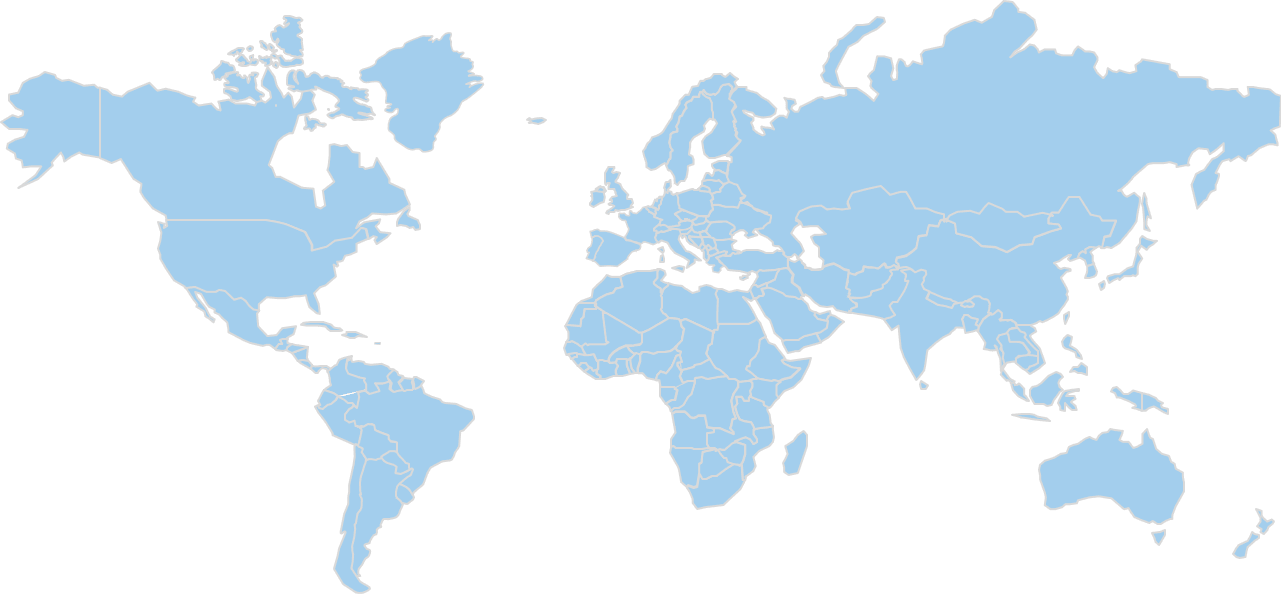
- 01By Material TypeBio-based Polyethylene · PLA · Starch-Blend Film
- 02By ApplicationE-commerce & Retail Packaging · Electronics & Appliances · Food & Beverage
- 03By End UserE-commerce Companies · Manufacturers · Retailers
- 04By Distribution ChannelDirect/B2B Sales · Distributors & Wholesalers · Online Retail
- 05By Product FormRolls · Bags & Pouches · Sheets
- 06By Region
Market Analysis & Outlook
Biodegradable bubble wrap packaging refers to air-cushioned protective film manufactured from compostable or bio-based materials, including bio-based polyethylene, polylactic acid, and starch-blend resins, engineered to break down under industrial or home composting conditions rather than persisting as conventional plastic waste. It is used as void-fill and surface protection for items shipped through e-commerce, retail, electronics, food and beverage, and pharmaceutical supply chains. Buyers range from e-commerce companies and third-party logistics providers selecting cushioning for outbound parcels to manufacturers and retailers packaging goods for distribution.
Growth of 14% a year carries the global biodegradable bubble wrap packaging market from USD 373 million in 2025 to USD 1265 million in 2034. The full series behind that rate covers USD 155 million in 2020, USD 313 million in 2024, USD 444 million in 2026 and USD 826 million in 2030, with 2025 as the base year.
The material type mix shifts over the period. Bio-based Polyethylene (Bio-PE) is the largest line in 2025 at USD 141 million, a 37.8% share, moving to USD 416 million and 32.9% by 2034. PLA (Polylactic Acid) Film grows fastest at 15.87%, taking its share from 26% to 30%, while Others grows slowest at 11.08%. The lines gaining share are PLA (Polylactic Acid) Film, Starch-Blend Film and Paper-Based Cushioning Film. Bio-based Polyethylene (Bio-PE) and Others lose share without losing revenue.
Cut by application, the largest line is E-commerce & Retail Packaging: 39.9% of 2025 revenue, worth USD 149 million, and 44% at USD 557 million by 2034. It is also the fastest-growing line on this axis at 15.77%, so the split concentrates over the period instead of balancing. Both this axis and the material type one divide the same revenue, which is why they are alternative views, not components.
Geographically, 34% of 2025 revenue sits in Europe (USD 127 million rising to USD 380 million) ahead of North America at 27.1% and USD 101 million. Middle East and Africa is smallest, at 5.9%. Asia Pacific and Middle East and Africa gain share across the period, so growth is not distributed evenly between regions.
Behind these figures sit five regions, five material type lines and five segmentation axes, each reported for every year from 2020 to 2034. The headline 2025 value is arrived at by triangulating published aggregates against category proxies, not by an independent count, and the same applies to the segment, regional and country breakdowns drawn from it.
Market Size, 2020–2034
USD MillionRevenue in USD Million. Values up to 2025 are actuals; 2026–2034 are forecast.
Key Takeaways
- The global biodegradable bubble wrap packaging market moves from USD 155 million in 2020 to USD 373 million in 2025 and USD 1265 million by 2034, the forecast period compounding at 14% a year.
- 37.8% of 2025 revenue sits in Bio-based Polyethylene (Bio-PE) (USD 141 million) and it remains the largest material type line in 2034 at USD 416 million and 32.9%.
- PLA (Polylactic Acid) Film is the fastest-growing line at 15.87%, lifting its share from 26% in 2025 to 30% in 2034 and its revenue from USD 97 million to USD 380 million.
- Scenario range for 2034 runs from USD 1075 million in the bear case to USD 1455 million in the bull case, against a base-case USD 1265 million, the spread a plan built on this forecast has to absorb.
- The largest region is Europe, generating USD 127 million in 2025 (34% of the global total) and USD 380 million by 2034, ahead of North America at 27.1%.
- Within Europe, Germany is the worked country example, at USD 38 million in 2025; 29.9% of regional revenue in the base year, and USD 110 million by 2034.
- The study covers 2020 through 2034 with 2025 as the base year, reporting five regions and five segmentation axes separately, with revenue, share and a growth rate for every line in each year.
Market Trends
Revenue Share, By Material Type
Base year 2025Bio-based Polyethylene (Bio-PE) leads with 37.8% of material type segment revenue.
Share of material type segment revenue, most recent base year.
Read across the forecast period, the global biodegradable bubble wrap packaging market shows movement in three places: material type composition, regional weight, and the 14% rate applied to the whole.
The direction of the market is not in question in any of the three. Each line and each region grows in revenue terms; what separates them is which takes the larger part of the growth.
Composition shifts on the material type axis. The widest spread on the material type axis is between PLA (Polylactic Acid) Film at 15.87% and Others at 11.08%. By 2034 the two sit at 30% and 4% of revenue, against 26% and 5.1% in 2025. The revenue figures behind that are USD 97 million to USD 380 million and USD 19 million to USD 51 million. Both expand; where a supplier sits on the axis still decides whether it tracks the market.
The regional balance moves. Asia Pacific moves from 26% of revenue in 2025 to 32.9% in 2034, worth USD 97 million rising to USD 416 million; Middle East and Africa moves from 5.9% of revenue in 2025 to 6% in 2034, worth USD 22 million rising to USD 76 million. The remaining regions grow in absolute terms while giving up share: North America at 27.1% moving to 24%, Europe at 34% moving to 30%, Latin America at 7% moving to 7%. That makes the regional split worth reading directly instead of scaling from the global rate: the same market rate produces different outcomes depending on where a supplier's revenue sits.
A continuation, not an inflection. The market moves through USD 155 million in 2020, USD 313 million in 2024, USD 373 million in 2025, USD 444 million in 2026, USD 826 million in 2030 and USD 1265 million in 2034. Against 19.2% through the historical period, the 14% forecast rate is a continuation; no year in the series interrupts it. That moves the planning question away from timing a turn and onto the material type and regional mixes, where the actual movement is.
Market Growth Factors
The fastest line decides the blended rate
Market Drivers
3- 01The fastest line decides the blended rate
At 15.87% against a market rate of 14%, PLA (Polylactic Acid) Film is the line pulling the average up: USD 97 million to USD 380 million, and 26% of revenue to 30%. Set against 11.08% at the other end of the axis, this is the line that decides whether the market's 14% holds. That makes position on the material type axis a growth decision, not a product one.
- 02Growth lands where the revenue already is
34% of 2025 revenue (USD 127 million) is generated in Europe, reaching USD 380 million by 2034 at an unchanged 30%. Behind it, North America holds 27.1%; USD 101 million rising to USD 304 million. Together the two account for the majority of both the 2025 base and the revenue added by 2034, which is why a regional plan treating all five regions at equal weight misreads where the growth actually lands.
- 03A demonstrated trajectory, not a projected turnaround
Revenue rose through USD 155 million in 2020, USD 313 million in 2024 and USD 373 million in 2025, a compound 19.2% across the historical period. From there the forecast carries 14% through to USD 1265 million in 2034. A forecast extending an observed trend is a different proposition from one proposing a turn, and that is why no ramp is applied: the 14% runs evenly across the period.
Growth drivers
| # | Growth driver | Impact | Gross contribution (Million) | 2026-28 | 2029-31 | 2032-34 |
|---|---|---|---|---|---|---|
| 1 | Regulatory bans and extended producer responsibility rules on conventional plastic film | High | +320 | High | High | High |
| 2 | E-commerce parcel volume growth increasing demand for protective cushioning | High | +260 | High | High | Medium |
| 3 | Brand sustainability commitments driving substitution away from conventional plastic film | Medium-High | +180 | Medium | High | High |
| 4 | Narrowing cost gap between compostable resin and conventional polyethylene | Medium | +140 | Low | Medium | High |
| 5 | Marketplace and retailer packaging standards mandating certified compostable materials | Medium | +90 | Medium | Medium | Medium |
| 6 | Others | Low | +62 | Low | Low | Low |
| Total | +1052 | |||||
Restraints
| # | Restraint | Impact | Estimated reduction (Million) | 2026-28 | 2029-31 | 2032-34 |
|---|---|---|---|---|---|---|
| 1 | Higher unit cost of biodegradable film compared with conventional polyethylene bubble wrap | Medium-High | −90 | High | Medium | Low |
| 2 | Uneven industrial composting infrastructure limiting end-of-life claims in some regions | Medium | −45 | Medium | Medium | Medium |
| 3 | Cushioning strength and seal integrity gaps for heavier shipments | Low | −25 | Low | Low | Low |
| Total | −160 | |||||
Drivers contribute 1052 Million and restraints remove 160 Million, a net 892 Million, which is the revenue the market adds between the base year and 2034. Contributions are CDI estimates, apportioned so that they reconcile with the forecast rather than being read from it.
Three sources account for the growth to 2034: 14% compounding across the base, share moving toward the faster material type lines, and above-market expansion in the leading regions.
Restraining Factors
Downside case: USD 1075 million by 2034, against USD 1265 million in the base case
Market Restraints
2- 01Downside case: USD 1075 million by 2034, against USD 1265 million in the base case
Where the forecast could miss: the bear case assumes regulatory deadlines slip in key markets, industrial composting infrastructure expansion lags announced plans, and resin producers delay new capacity, keeping the price premium over conventional film wider for longer and slowing the substitution pace assumed in the base case. That path reaches USD 1075 million by 2034 instead of USD 1265 million, off an unchanged USD 373 million in 2025.
- 02Bio-based Polyethylene (Bio-PE) holds the blended rate down
Bio-based Polyethylene (Bio-PE) carries 37.8% of 2025 revenue at USD 141 million but compounds at 12.08% against 14% for the market, taking its share to 32.9% by 2034 even as revenue rises to USD 416 million. Because it carries that much of the base, its pace holds the blended rate down more than any faster line lifts it.
Market Opportunities
Where the forecast could be beaten
Market Opportunities
2- 01Where the forecast could be beaten
The bull case assumes extended producer responsibility deadlines are enforced on schedule across the European Union and additional U.S. states adopt similar rules earlier than currently planned, while compostable resin capacity expands fast enough to narrow the price premium over conventional film ahead of the base case. On that assumption the market reaches USD 1455 million by 2034 against USD 1265 million in the base case, from the same USD 373 million in 2025.
- 02PLA (Polylactic Acid) Film is where share changes hands
PLA (Polylactic Acid) Film grows at 15.87% against 14% for the market, adding revenue from USD 97 million in 2025 to USD 380 million in 2034 and taking its share from 26% to 30%. It is the place on this axis where share changes hands at scale, so it is where an entrant can take position without displacing the incumbent in Bio-based Polyethylene (Bio-PE).
Market Challenges
One material type line carries the market
Market Challenges
2- 01One material type line carries the market
USD 141 million of 2025 revenue sits in Bio-based Polyethylene (Bio-PE), 37.8% of the total, and it is still 32.9% at USD 416 million nine years later. That concentration means the market's own forecast is, to a large extent, a forecast for one material type line.
- 02One country drives the leading region
Of Europe's USD 127 million in 2025, USD 38 million (29.9%) comes from Germany alone, rising to USD 110 million by 2034. Read as a region it looks diversified; read by weight it is not, and the regional forecast inherits whatever happens in that one market.
Segmentation Analysis
5 axesThe market is divided by material type and by application, end user, distribution channel and product form; five axes in all. Every one of them divides the same revenue, which makes them views of one market from different commercial angles, not components of it.
Five material type lines are reported. Three of them take share over the forecast period and the rest give it up, though every line grows in absolute terms between 2025 and 2034.
By Material Type · 5 segments
PLA (Polylactic Acid) Film Outpaces the Axis While Bio-based Polyethylene (Bio-PE) Holds the Largest Share
- Largest Bio-based Polyethylene (Bio-PE) · 37.8%
- Fastest PLA (Polylactic Acid) Film · 15.9%
- Moves most Bio-based Polyethylene (Bio-PE) · -4.9 pts
- Order by 2034 unchanged
| Segment | 2025 | Share | 2034 | Share | CAGR |
|---|---|---|---|---|---|
| Bio-based Polyethylene (Bio-PE) | $141M | 37.8% | $416M | 32.9%-4.9 | 12.1% |
| PLA (Polylactic Acid) Film | $97M | 26% | $380M | 30%+4 | 15.9% |
| Starch-Blend Film | $75M | 20.1% | $266M | 21%+0.9 | 14.7% |
| Paper-Based Cushioning Film | $41M | 11% | $152M | 12%+1 | 15.2% |
| Others | $19M | 5.1% | $51M | 4%-1.1 | 11.1% |
Bio-based polyethylene leads because it processes on existing bubble-wrap film lines with minimal retooling, letting converters switch supply without new capital. PLA film is growing fastest as resin costs fall and its transparency and seal strength approach conventional film performance, encouraging brand owners already committed to compostable pledges to move from pilot volumes into standing purchase orders. The order does not change: Bio-based Polyethylene (Bio-PE) is still largest in 2034, and what moves is how much it holds. This is the axis the estimation prices in full, year by year, and the one the regional chapters cut against.
By Application · 5 segments
E-commerce & Retail Packaging Both Leads the Application Axis and Grows Fastest on It
- Largest E-commerce & Retail Packaging · 39.9%
- Fastest E-commerce & Retail Packaging · 15.8%
- Moves most E-commerce & Retail Packaging · +4.1 pts
- Order by 2034 unchanged
| Segment | 2025 | Share | 2034 | Share | CAGR |
|---|---|---|---|---|---|
| E-commerce & Retail Packaging | $149M | 39.9% | $557M | 44%+4.1 | 15.8% |
| Electronics & Appliances | $75M | 20.1% | $228M | 18%-2.1 | 13.2% |
| Food & Beverage | $60M | 16.1% | $190M | 15%-1.1 | 13.7% |
| Industrial & Logistics | $56M | 15% | $177M | 14%-1 | 13.6% |
| Pharmaceuticals & Healthcare | $33M | 8.8% | $113M | 8.9%+0.1 | 14.7% |
E-commerce and retail packaging leads because parcel volumes are large, damage claims are costly, and marketplace sustainability mandates push shippers toward certified compostable cushioning first. E-commerce is also the fastest grower since order volumes keep expanding and marketplaces increasingly set their own packaging material standards, forcing third-party sellers to meet compliant-film requirements instead of choosing them voluntarily. By 2034 E-commerce & Retail Packaging is still ahead, making this a shift in weight, not a change of leader.
By End User · 4 segments
Scale and Growth Sit in the Same Line on the End user Axis: E-commerce Companies
- Largest E-commerce Companies · 36.2%
- Fastest E-commerce Companies · 15.5%
- Moves most E-commerce Companies · +2.8 pts
- Order by 2034 unchanged
| Segment | 2025 | Share | 2034 | Share | CAGR |
|---|---|---|---|---|---|
| E-commerce Companies | $135M | 36.2% | $493M | 39%+2.8 | 15.5% |
| Manufacturers | $104M | 27.9% | $329M | 26%-1.9 | 13.7% |
| Retailers | $82M | 22% | $266M | 21%-1 | 14% |
| Third-Party Logistics Providers | $52M | 13.9% | $177M | 14%+0.1 | 14.6% |
E-commerce companies lead because they buy cushioning film in the highest volumes and face the most direct consumer visibility over packaging waste. They are also the fastest-growing buyer group, since marketplace operators are now writing sustainable-packaging requirements into seller agreements, converting a discretionary purchase into a compliance requirement across their entire seller base. The order does not change: E-commerce Companies is still largest in 2034, and what moves is how much it holds.
By Distribution Channel · 3 segments
Direct/B2B Sales Held the Dominant Share of the Distribution channel Segment in 2025
- Largest Direct/B2B Sales · 52%
- Fastest Online Retail · 19.5%
- Moves most Online Retail · +7 pts
- Order by 2034 unchanged
| Segment | 2025 | Share | 2034 | Share | CAGR |
|---|---|---|---|---|---|
| Direct/B2B Sales | $194M | 52% | $607M | 48%-4 | 13.5% |
| Distributors & Wholesalers | $123M | 33% | $380M | 30%-3 | 13.3% |
| Online Retail | $56M | 15% | $278M | 22%+7 | 19.5% |
Direct and B2B sales lead because large shippers negotiate film specifications and supply contracts directly with converters to secure consistent quality and volume pricing. Online retail is growing fastest as smaller sellers and regional brands, who lack the purchasing scale for direct contracts, increasingly source compostable film through e-commerce platforms built for lower minimum order quantities. By 2034 Direct/B2B Sales is still ahead, making this a shift in weight, not a change of leader.
By Product Form · 3 segments
Bags & Pouches Outpaces the Axis While Rolls Holds the Largest Share
- Largest Rolls · 45.8%
- Fastest Bags & Pouches · 15.6%
- Moves most Bags & Pouches · +3 pts
- Order by 2034 unchanged
| Segment | 2025 | Share | 2034 | Share | CAGR |
|---|---|---|---|---|---|
| Rolls | $171M | 45.8% | $544M | 43%-2.8 | 13.7% |
| Bags & Pouches | $127M | 34% | $468M | 37%+3 | 15.6% |
| Sheets | $75M | 20.1% | $253M | 20%-0.1 | 14.5% |
Rolls lead because automated packing lines on high-volume shipping floors are built around roll-fed film instead of pre-formed units. Bags and pouches are growing fastest since smaller fulfillment operations and returns processing favor ready-to-use formats that need no on-site cutting or sealing equipment, lowering the operational barrier to switching from conventional plastic. The order does not change: Rolls is still largest in 2034, and what moves is how much it holds.
Regional Insights
Regional Revenue Share
Base year 2025Share of global revenue in the base year.
Only the leading region's share is published outside the report; pins mark the region, not a specific country.
North America Market Analysis
The 2nd-largest region covered — 3.1 points of share move elsewhere by 2034, while revenue still grows 3.0×.
- Rank 2 of 5
- 2025 share 27.1%
- By 2034 24%
- Revenue $101M → $304M
North America holds 27.1% of the global biodegradable bubble wrap packaging market in 2025, worth USD 101 million rising to USD 304 million in 2034. By revenue it sits second across the study, and the ranking does not change between 2025 and 2034.
Share settles at 24% in 2034, though revenue still rises throughout; the shift is in the region's weight against faster-growing ones, which is not the same as weakening demand.
The material type mix reported at global level applies here, with Bio-based Polyethylene (Bio-PE) the largest line at 37.8% of 2025 revenue and PLA (Polylactic Acid) Film the fastest-growing at 15.87%. Revenue for North America is broken out by every segmentation axis and by country in the full report.
United States
Sets the pace for North America at 82.2% of it, growing 2.9×.
- In region 1 of 2
- Of region 82.2%
- Of global 22.3%
- Revenue $83M → $243M
82.2% of North America's base-year revenue comes from the United States; USD 83 million, rising to USD 243 million by 2034. Because it is 82.2% of the region in the base year, North America's totals move with this one country instead of a spread of them. The region itself runs USD 101 million to USD 304 million over the same period, and this is the market carrying the country-level detail in the full report.
Composition here matches the global split: the largest line is Bio-based Polyethylene (Bio-PE) at 37.8% of 2025 revenue, easing to 32.9% by 2034, and the fastest is PLA (Polylactic Acid) Film at 15.87%, from 26% to 30%. Its 82.2% weight in North America means those movements carry straight into the regional totals. Per-material type revenue for the United States appears on its own in the full report.
Packaging made from biodegradable or compostable plastic film in the United States sits under the Federal Trade Commission's Green Guides, which govern any environmental marketing claim such as biodegradable or compostable and require that the claim be substantiated for the conditions and timeframe in which the material will actually break down. A supplier making such a claim needs competent scientific evidence behind it, since unqualified biodegradability claims for material destined for ordinary landfill are treated as deceptive. Compostability claims are commonly benchmarked against ASTM standards for compostable plastics, and packaging entering the food contact stream must also meet the Food and Drug Administration's food contact substance requirements. State-level extended producer responsibility and plastic film labelling laws are expanding, so a supplier selling across state lines should confirm labelling wording against the strictest applicable state rule rather than a single federal baseline.
The United States does not have a competitive structure of its own; position here is position on the material type axis reported above. The commercially relevant division is 37.8% of 2025 revenue in Bio-based Polyethylene (Bio-PE), where the volume is, against 15.87% growth in PLA (Polylactic Acid) Film, where share moves. Country-level shares and positioning per company sit in the full report.
Canada
2nd-largest in North America, growing 3.4×.
- In region 2 of 2
- Of region 17.8%
- Of global 4.8%
- Revenue $18M → $61M
Canada is sized at USD 18 million in 2025, rising to USD 61 million by 2034; 4.8% of global revenue and 17.8% of North America. It is reported separately from the United States across every segmentation axis in the full report.
Europe Market Analysis
The largest region covered — 4 points of share move elsewhere by 2034, while revenue still grows 3.0×.
- Rank 1 of 5
- 2025 share 34%
- By 2034 30%
- Revenue $127M → $380M
USD 127 million of 2025 revenue is generated in Europe, 34% of the global biodegradable bubble wrap packaging market on the way to USD 380 million by 2034. That makes it the first-largest region covered, in 2025 and again in 2034.
30% of global revenue sits here in 2034, below the 2025 level, a shift in share, not in direction: revenue climbs every year while the market's centre of gravity moves elsewhere.
The material type mix reported at global level applies here, with Bio-based Polyethylene (Bio-PE) the largest line at 37.8% of 2025 revenue and PLA (Polylactic Acid) Film the fastest-growing at 15.87%. Per-axis and per-country detail for Europe sits in the full report.
Germany
The largest market in Europe, growing 2.9×.
- In region 1 of 3
- Of region 29.9%
- Of global 10.2%
- Revenue $38M → $110M
Germany is the largest market within Europe, generating USD 38 million in 2025 and projected to reach USD 110 million by 2034. It accounts for 29.9% of regional revenue in the base year, the largest single share without dominating the region outright. Regional revenue of USD 127 million in 2025 and USD 380 million in 2034 sits around it, and it is the country used wherever the full report cuts a figure by geography.
Demand in Germany follows the material type mix reported at global level: Bio-based Polyethylene (Bio-PE) is the largest line at 37.8% of 2025 revenue, moving to 32.9% by 2034, while PLA (Polylactic Acid) Film grows fastest at 15.87% and takes its share from 26% to 30%. Its 29.9% weight in Europe means those movements carry straight into the regional totals. Revenue by material type for Germany is reported separately in the full report.
Germany regulates biodegradable bubble wrap through the EU Packaging and Packaging Waste framework as implemented nationally via the Packaging Act, which requires producers to register with the central packaging register and finance take-back and recycling obligations regardless of whether the material is described as biodegradable. Claims of biodegradability or compostability must align with the relevant European standard for compostable packaging, and a product cannot rely on a biodegradable label to escape the extended producer responsibility system that applies to conventional plastic packaging. Labelling is also shaped by German and EU rules against misleading environmental claims, so terms like biodegradable or eco-friendly need clear qualification of where and how the material degrades. Suppliers placing this packaging on the German market must register before sale, not after distribution has begun.
Germany does not have a competitive structure of its own; position here is position on the material type axis reported above. Bio-based Polyethylene (Bio-PE), at 37.8% of 2025 revenue, is where the volume sits, and PLA (Polylactic Acid) Film, growing at 15.87%, is where position changes hands over the forecast period. A supplier weighted toward Europe is competing over a base of USD 127 million in 2025 reaching USD 380 million by 2034, 34% of global revenue at the start of that period.
United Kingdom
2nd-largest in Europe, growing 2.9×.
- In region 2 of 3
- Of region 23.6%
- Of global 8%
- Revenue $30M → $87M
The United Kingdom is sized at USD 30 million in 2025, rising to USD 87 million by 2034; 8% of global revenue and 23.6% of Europe. It is reported separately from Germany across every segmentation axis in the full report.
France
3rd-largest in Europe, growing 2.8×.
- In region 3 of 3
- Of region 18.1%
- Of global 6.2%
- Revenue $23M → $65M
6.2% of global revenue is generated in France; USD 23 million in 2025, reaching USD 65 million in 2034, and 18.1% of Europe.
Asia Pacific Market Analysis
The 3rd-largest region covered, and the one gaining the most — it picks up 6.9 points of share by 2034, while revenue still grows 4.3×.
- Rank 3 of 5
- 2025 share 26%
- By 2034 32.9%
- Revenue $97M → $416M
Asia Pacific holds 26% of the global biodegradable bubble wrap packaging market in 2025, worth USD 97 million and reaches USD 416 million by 2034. It is a leading region on this axis, third by revenue throughout the period.
By 2034 the share has moved up to 32.9%, on growth above the market's own 14%, and with a bigger contribution to the revenue added over the period than the base-year figure suggests.
The material type mix reported at global level applies here, with Bio-based Polyethylene (Bio-PE) the largest line at 37.8% of 2025 revenue and PLA (Polylactic Acid) Film the fastest-growing at 15.87%. Per-axis and per-country detail for Asia Pacific sits in the full report.
China
The largest market in Asia Pacific, growing 4.0×.
- In region 1 of 3
- Of region 42.3%
- Of global 11%
- Revenue $41M → $166M
42.3% of Asia Pacific's base-year revenue comes from China; USD 41 million, rising to USD 166 million by 2034. 42.3% of the region in the base year makes it the largest market here without making it the region. Regional revenue of USD 97 million in 2025 and USD 416 million in 2034 sits around it, and it is the country used wherever the full report cuts a figure by geography.
China buys along the same lines as the market globally; Bio-based Polyethylene (Bio-PE) first at 37.8% of 2025 revenue and 32.9% in 2034, PLA (Polylactic Acid) Film fastest at 15.87% on a share moving from 26% to 30%. Since 42.3% of Asia Pacific's revenue is generated here, the regional numbers inherit this market's mix instead of smoothing it out. Per-material type revenue for China appears on its own in the full report.
China's approach to biodegradable packaging is anchored in national standards administered under the State Administration for Market Regulation together with the Ministry of Ecology and Environment's broader plastics reduction policy, which restricts non-degradable plastic packaging in favour of certified biodegradable alternatives in a growing list of applications. A supplier wishing to market bubble wrap as biodegradable typically needs conformity to the relevant national standard for degradable plastic products, supported by testing from an accredited laboratory before the term can appear on packaging or in sales documentation. Labelling must avoid unsubstantiated environmental claims, consistent with China's advertising law, and products intended for food-adjacent use fall additionally under food contact material hygiene requirements. Enforcement has tightened as single-use plastic restrictions have expanded, so certification is treated as a market entry condition rather than an optional marketing enhancement.
What separates suppliers in China is where they sit on the material type axis, not which country they serve. Volume sits in Bio-based Polyethylene (Bio-PE) at 37.8% of 2025 revenue; movement sits in PLA (Polylactic Acid) Film at 15.87% growth. A supplier weighted toward Asia Pacific is competing over a base of USD 97 million in 2025 reaching USD 416 million by 2034, 26% of global revenue at the start of that period.
India
2nd-largest in Asia Pacific, growing 5.0×.
- In region 2 of 3
- Of region 23.7%
- Of global 6.2%
- Revenue $23M → $116M
6.2% of global revenue is generated in India; USD 23 million in 2025, reaching USD 116 million in 2034, and 23.7% of Asia Pacific.
Japan
3rd-largest in Asia Pacific, growing 3.4×.
- In region 3 of 3
- Of region 17.5%
- Of global 4.6%
- Revenue $17M → $58M
Japan is sized at USD 17 million in 2025, rising to USD 58 million by 2034; 4.6% of global revenue and 17.5% of Asia Pacific. It is reported separately from China across every segmentation axis in the full report.
Latin America Market Analysis
The 4th-largest region covered, holding its share flat through 2034, while revenue still grows 3.4×.
- Rank 4 of 5
- 2025 share 7%
- By 2034 7%
- Revenue $26M → $89M
7% of the global biodegradable bubble wrap packaging market sits in Latin America in 2025, worth USD 26 million with USD 89 million projected for 2034. That makes it the fourth-largest region covered, in 2025 and again in 2034.
Share settles at 7% in 2034, a shift in share, not in direction: revenue climbs every year while the market's centre of gravity moves elsewhere.
The material type mix reported at global level applies here, with Bio-based Polyethylene (Bio-PE) the largest line at 37.8% of 2025 revenue and PLA (Polylactic Acid) Film the fastest-growing at 15.87%. Latin America is reported axis by axis and country by country in the full study.
Brazil
The largest market in Latin America, growing 3.3×.
- In region 1 of 2
- Of region 53.8%
- Of global 3.8%
- Revenue $14M → $46M
53.8% of Latin America's base-year revenue comes from Brazil; USD 14 million, rising to USD 46 million by 2034. Its 53.8% of base-year regional revenue leads the region, though enough sits elsewhere that Latin America is not a proxy for it. Regional revenue of USD 26 million in 2025 and USD 89 million in 2034 sits around it, and it is the country used wherever the full report cuts a figure by geography.
Brazil buys along the same lines as the market globally; Bio-based Polyethylene (Bio-PE) first at 37.8% of 2025 revenue and 32.9% in 2034, PLA (Polylactic Acid) Film fastest at 15.87% on a share moving from 26% to 30%. Since 53.8% of Latin America's revenue is generated here, the regional numbers inherit this market's mix instead of smoothing it out. Revenue by material type for Brazil is reported separately in the full report.
Brazil regulates packaging materials, including biodegradable plastics, primarily through ABNT technical standards developed with the national standards body and through the National Solid Waste Policy, which places responsibility on producers and importers for the end-of-life management of packaging they place on the market. A biodegradable or compostable claim on bubble wrap is expected to conform to the applicable ABNT standard for compostable plastic materials, and testing evidence is generally expected before such wording is used commercially. Environmental claims are also subject to Brazil's consumer protection code, which treats an unsubstantiated green claim as misleading advertising. Where the packaging touches food products, additional health surveillance requirements administered by Anvisa apply to the material's composition and safety for that contact use.
Supplier positions in Brazil sit on the material type axis: the country buys the same lines the global market does, in the same order. Bio-based Polyethylene (Bio-PE), at 37.8% of 2025 revenue, is where the volume sits, and PLA (Polylactic Acid) Film, growing at 15.87%, is where position changes hands over the forecast period. The commercial size of that position is USD 26 million in 2025, moving to USD 89 million by 2034 across the forecast period.
Mexico
2nd-largest in Latin America, growing 3.6×.
- In region 2 of 2
- Of region 34.6%
- Of global 2.4%
- Revenue $9M → $32M
Within Latin America, Mexico accounts for 34.6% of regional revenue and 2.4% of the global total, worth USD 9 million in 2025 and USD 32 million by 2034.
Middle East and Africa Market Analysis
The 5th-largest region covered — it picks up 0.1 points of share by 2034, while revenue still grows 3.5×.
- Rank 5 of 5
- 2025 share 5.9%
- By 2034 6%
- Revenue $22M → $76M
5.9% of the global biodegradable bubble wrap packaging market sits in Middle East and Africa in 2025, worth USD 22 million on the way to USD 76 million by 2034. By revenue it sits fifth across the study, and the ranking does not change between 2025 and 2034.
By 2034 the share has moved up to 6%, at a pace above the 14% global rate, so this region warrants separate treatment and should not be scaled off the total.
Bio-based Polyethylene (Bio-PE) leads here as it does globally, at 37.8% of 2025 revenue, and PLA (Polylactic Acid) Film again grows fastest at 15.87%. Revenue for Middle East and Africa is broken out by every segmentation axis and by country in the full report.
Saudi Arabia
The largest market in Middle East and Africa, growing 3.3×.
- In region 1 of 2
- Of region 36.4%
- Of global 2.1%
- Revenue $8M → $26M
36.4% of Middle East and Africa's base-year revenue comes from Saudi Arabia; USD 8 million, rising to USD 26 million by 2034. Its 36.4% of base-year regional revenue leads the region, though enough sits elsewhere that Middle East and Africa is not a proxy for it. Against regional totals of USD 22 million in 2025 and USD 76 million in 2034, it is the country the full report breaks out in detail.
Demand in Saudi Arabia follows the material type mix reported at global level: Bio-based Polyethylene (Bio-PE) is the largest line at 37.8% of 2025 revenue, moving to 32.9% by 2034, while PLA (Polylactic Acid) Film grows fastest at 15.87% and takes its share from 26% to 30%. Since 36.4% of Middle East and Africa's revenue is generated here, the regional numbers inherit this market's mix instead of smoothing it out. Per-material type revenue for Saudi Arabia appears on its own in the full report.
Saudi Arabia regulates packaging materials through the Saudi Standards, Metrology and Quality Organization, which sets and enforces conformity requirements for plastic products entering the Kingdom, increasingly aligned with the wider Gulf Cooperation Country standardisation framework. A supplier of biodegradable bubble wrap is expected to demonstrate conformity to the applicable Gulf or Saudi standard for degradable plastic products before the material can be marketed with a biodegradable designation, generally through an accredited certification mark. Labelling and environmental claims fall under general consumer protection oversight, which prohibits describing a product's environmental properties in terms that testing does not support. Saudi Arabia's broader single-use plastics policy has been tightening, so degradable packaging is treated as a compliance route into restricted applications rather than a purely voluntary claim.
Competition in Saudi Arabia is decided on the material type axis rather than on geography, since suppliers here sell into the same material type lines reported globally. Two different problems sit on the same axis: holding Bio-based Polyethylene (Bio-PE) at 37.8% of 2025 revenue, and taking PLA (Polylactic Acid) Film while it grows at 15.87%. A supplier weighted toward Middle East and Africa is competing over a base of USD 22 million in 2025 reaching USD 76 million by 2034, 5.9% of global revenue at the start of that period.
South Africa
2nd-largest in Middle East and Africa, growing 3.3×.
- In region 2 of 2
- Of region 27.3%
- Of global 1.6%
- Revenue $6M → $20M
1.6% of global revenue is generated in South Africa; USD 6 million in 2025, reaching USD 20 million in 2034, and 27.3% of Middle East and Africa.
Request this sample to see the full data tables and segment-level detail behind this analysis.
Report Coverage
This report assesses the market across every segment, with revenue and a growth rate for each line in each year of the study period. It covers the drivers, trends, opportunities, restraints and challenges shaping growth, the competitive landscape and the companies profiled, and the research methodology behind every estimate. Segmentation is reported by Material Type, Application, End User, Distribution Channel, Product Form, and regional analysis covers North America, Europe, Asia Pacific, Latin America, Middle East and Africa, each broken out by country.
Competitive Landscape
Suppliers Compete on Bio-based Polyethylene (Bio-PE) Volume and PLA (Polylactic Acid) Film Momentum
The competitive line that matters is the material type one, not the geographic one. Bio-based Polyethylene (Bio-PE) is 37.8% of 2025 revenue at USD 141 million and still 32.9% in 2034, so it is where the volume sits and where an incumbent's position is hardest to move. PLA (Polylactic Acid) Film, compounding at 15.87% against 11.08% for Others, is where share changes hands over the forecast period. A supplier positioned in one is not automatically positioned in the other, so a field of this size stays viable in a market of USD 373 million.
Formulation know-how separates suppliers here more than manufacturing scale alone: converting a certified-compostable resin into a film that seals reliably and cushions like conventional polyethylene is the harder engineering problem, and companies that supply the underlying resin hold an advantage over pure converters. Distribution reach into e-commerce fulfillment networks matters for volume, favoring larger protective-packaging suppliers with existing carrier and warehouse relationships. Smaller and regional converters compete on faster certification turnaround for a customer's specific film gauge and on willingness to run shorter production batches that larger suppliers decline.
Presence matters unevenly by region. With 34% of 2025 revenue in Europe and 27.1% in North America, a supplier's coverage of those two decides most of its addressable base before any product question arises.
Profiles, financials, shares and development histories for each company sit in the full report; this summary carries the structure only.
List of Key Biodegradable Bubble Wrap Packaging Market Companies Profiled
10 companies profiled. Company profiles, including financials, product portfolios and recent developments, are part of the full report.
- Sealed Air Corporation(United States)
- Storopack Hans Reichenecker GmbH(Germany)
- Novolex Holdings, LLC(United States)
- Ranpak Holdings Corp.(United States)
- NatureWorks LLC(United States)
- Novamont S.p.A.(Italy)
- BASF SE(Germany)
- TIPA Corp Ltd(Israel)
- Smurfit Kappa Group(Ireland)
- EcoEnclose(United States)
Geographic Coverage
Every market below is broken out separately in the report.
North America
3Europe
8Asia Pacific
12Latin America
3Middle East and Africa
4Key Insights
Report Scope
Study parameters & segmentationThis study covers market size and forecasts over the 2020–2034 period, segmentation across 5 axes (Material Type, Application, End User, Distribution Channel, Product Form), regional analysis for 5 regions and their constituent countries, a competitive landscape profiling 10 key companies, and the research methodology behind every estimate.
Segmentation
5 axes + regionFull chapter-and-section structure of the report. Segment, region, and company breakdowns are listed as scope. The underlying figures are in the sample and full report.
Table of Contents+−
Chapter 1.Executive Summary
Chapter 2.Premium Insights
Chapter 3.Market Definition
Chapter 4.Research Methodology
Chapter 5.Strategic Imperatives & Market Outlook
Chapter 6.Go-to-Market (GTM) Strategies
Chapter 7.Market Trends, Strategy & Dynamics
Chapter 8.Porter's Five Forces
Chapter 9.PESTEL Analysis
Chapter 10.Value Chain Analysis
Chapter 11.Supply Chain Analysis
Chapter 12.Macro-Economic Factors
Chapter 13.Market Cost Analysis
Chapter 14.Market Supply-Side Analysis
Chapter 15.Global Biodegradable Bubble Wrap Packaging Market Size & Projections, 2020–2034, Revenue (USD Million)
Chapter 16.Global Biodegradable Bubble Wrap Packaging Market Overview, By Material Type, 2020–2034, Revenue (USD Million)
Chapter 17.Global Biodegradable Bubble Wrap Packaging Market Overview, By Application, 2020–2034, Revenue (USD Million)
Chapter 18.Global Biodegradable Bubble Wrap Packaging Market Overview, By End User, 2020–2034, Revenue (USD Million)
Chapter 19.Global Biodegradable Bubble Wrap Packaging Market Overview, By Distribution Channel, 2020–2034, Revenue (USD Million)
Chapter 20.Global Biodegradable Bubble Wrap Packaging Market Overview, By Product Form, 2020–2034, Revenue (USD Million)
Chapter 21.Global Biodegradable Bubble Wrap Packaging Market Size — Segment Comparison
Chapter 22.Global Biodegradable Bubble Wrap Packaging Geography Overview, 2020–2034, Revenue (USD Million)
Chapter 23.North America Biodegradable Bubble Wrap Packaging Market Deep-Dive, 2020–2034, Revenue (USD Million)
Chapter 24.Europe Biodegradable Bubble Wrap Packaging Market Deep-Dive, 2020–2034, Revenue (USD Million)
Chapter 25.Asia Pacific Biodegradable Bubble Wrap Packaging Market Deep-Dive, 2020–2034, Revenue (USD Million)
Chapter 26.Latin America Biodegradable Bubble Wrap Packaging Market Deep-Dive, 2020–2034, Revenue (USD Million)
Chapter 27.Middle East and Africa Biodegradable Bubble Wrap Packaging Market Deep-Dive, 2020–2034, Revenue (USD Million)
Chapter 28.Application / Use-Case Analysis
Chapter 29.Vendor Capability Scorecard
Chapter 30.Scenario Forecasts
Chapter 31.Top 10 Key Clients of Top 10 Players
Chapter 32.Top 10 Suppliers
Chapter 33.Competitive Landscape
Chapter 34.Partnerships & M&A
Chapter 35.Key Vendor Analysis
Chapter 36.Marketing Strategy Analysis, Distributors & Traders
Chapter 37.Outlook of the Market
Chapter 38.Concluding Analyst Note
List of Figures+−
Structural index generated from this report's own section headings, not verified against the delivered report's actual figure numbering.
List of Tables+−
Structural index generated from this report's own section headings, not verified against the delivered report's actual table numbering.
Segmentation Analysis
5 axesBy Material Type
5- 01Bio-based Polyethylene (Bio-PE)
- 02PLA (Polylactic Acid) Film
- 03Starch-Blend Film
- 04Paper-Based Cushioning Film
- 05Others
By Application
5- 01E-commerce & Retail Packaging
- 02Electronics & Appliances
- 03Food & Beverage
- 04Industrial & Logistics
- 05Pharmaceuticals & Healthcare
By End User
4- 01E-commerce Companies
- 02Manufacturers
- 03Retailers
- 04Third-Party Logistics Providers
By Distribution Channel
3- 01Direct/B2B Sales
- 02Distributors & Wholesalers
- 03Online Retail
By Product Form
3- 01Rolls
- 02Bags & Pouches
- 03Sheets
Segment categories shown for scope reference. See the Summary tab for revenue share by Material Type. Full segment-by-segment detail across every axis is available in the sample and full report.
Research approach
A market size is a claim about the world, and a claim is only as good as the route to it. Every study is built upward from units and prices — what is actually produced, sold or performed, at what it actually changes hands for — rather than from a headline figure divided downwards. Disclosed company revenue is then used to check that build, not to produce it.
The estimate is built upward from the film volumes converters actually process: metric tonnes of compostable resin (bio-based polyethylene, PLA, starch blends) converted into bubble film each year, multiplied by the realized price per kilogram charged to e-commerce, electronics, food, and industrial buyers. Resin offtake volumes reported by material suppliers such as NatureWorks and Novamont anchor the input side; converter price lists and distributor quotes anchor the output side. This bottom-up figure is then checked against the disclosed protective-packaging segment revenue of converters including Sealed Air and Storopack. Where the two diverged, most often in regional resin-price assumptions, the bottom-up volume or price input was corrected instead of averaging the two figures together.
The four stages
The same sequence runs behind every published study, whatever the industry. The order matters as much as the steps: the segment axes are fixed before any number is collected, so the model is never reshaped to fit whatever data happens to turn up.
What the build rests on, and what checks it
The two are not interchangeable. The left column produces the number; the right column tests it. When the check disagrees with the build, the answer is to find which bottom-up assumption is wrong — a unit count, a price, a take-up rate — not to split the difference between them.
- Volume actually transacted — units produced, installed, dispensed or procedures performed, counted at the level each is genuinely recorded
- Realised pricing by tier and channel, rather than one blended average applied across the whole market
- Take-up and frequency: how much of the addressable base buys, and how often it repeats
- Disclosed revenue of the companies serving the market, where filings separate it far enough to be usable
- Buyer-side spending totals — capital budgets, procurement lines, or the output of the end market the product is bought against
- Trade and customs flows, where the product crosses borders in a separately recorded form
Data sources
Published data establishes what happened. Only the people transacting in a market can say why, and what is about to change — so the two are collected separately and weighted differently.
- Commercial and product leadership at the companies that supply the market
- Procurement and specification leads at the organisations that buy it
- Distributors, integrators and channel partners, where the market is served indirectly
- Regulatory and standards specialists, where approval governs what can be sold at all
- Company filings, annual reports and investor disclosure
- Government statistics, customs records and regulatory registers
- Trade association output and standards-body publications
- Technical and peer-reviewed literature, where the market rests on a clinical or engineering claim
Primary research targets the commercial and procurement roles that actually set film specifications: packaging engineers and sustainability leads at e-commerce and consumer-goods brand owners who approve a switch from conventional to compostable film, commercial managers at converters who see order volumes and pricing directly, and regulatory affairs contacts tracking extended producer responsibility and single-use plastic rules that force substitution timelines. Sampling weights Western Europe, where regulation is most advanced, alongside North America and East Asia, where converting capacity and resin production are concentrated, so both the demand-side adoption decision and the supply-side manufacturing base are represented.
Desk research draws on published extended producer responsibility scheme filings in the European Union and individual member states, customs trade data filed under the compostable-resin HS codes used to track PLA and bio-based polyethylene imports and exports, and certification body registers, including TUV Austria's OK Compost listings and the Biodegradable Products Institute's certified-product database, which show which converters and film grades hold compostability approval. Resin producers' own investor disclosures and corporate sustainability reports from major e-commerce and consumer-goods brands supply demand-side substitution commitments and volume targets referenced against the bottom-up build.
Desk research runs across proprietary research databases including Factiva, OneSource and Hoovers alongside the public sources above. Modelling and statistical validation are run in SAS and SPSS.
Forecasting
The forecast is not a growth rate applied to a base year. It is built from the drivers that are expected to change, each one stated so a reader can disagree with it.
The forecast is built from the phase-in schedules of extended producer responsibility and single-use plastic rules already legislated in the European Union, several U.S. states, and parts of Asia, since these set fixed dates by which conventional film must be substituted rather than leaving adoption open-ended. It layers in e-commerce parcel volume growth as the primary demand driver and a gradual narrowing of the price gap between compostable and conventional resin as production scales. The forecast holds if legislated substitution deadlines are not delayed and if resin producers continue adding capacity at the pace announced; a material slip in either would push volume into later years without changing the underlying demand.
Triangulation and validation
No figure enters a report on the strength of one source. Where the two sizing routes disagree the difference is not averaged away — the assumption causing it is isolated, tested against a third independent measure, and either corrected or carried forward as a stated limitation. Historical years are back-tested against the growth actually recorded before any forecast is allowed to run forward from them.
Outputs were back-tested against recorded compostable-film volume growth from 2020 through 2024 to confirm the bottom-up build reproduces already-observed adoption rates before being extended forward. Segment-level share shifts, particularly the move toward PLA film, were reviewed against converter commentary on order mix to confirm the direction and pace were not an artifact of the volume model alone. Sensitivities were tested on the two assumptions the forecast depends on most: the timing of regulatory substitution deadlines and the rate at which compostable resin prices converge with conventional polyethylene, since a delay in either assumption has the largest effect on the year-by-year shape of the forecast.
Confidence and limitations
Where an estimate is firm and where it is not is stated rather than left to be inferred from the precision of the number.
Confidence is firmest in the volume and pricing behind bio-based polyethylene and PLA film, where resin producer disclosures and converter pricing are both observable. It is weaker for the starch-blend and paper-based lines, where fewer suppliers report volume separately from their broader packaging business, and for Middle Eastern and African adoption, where extended producer responsibility rules are least developed and reporting is thinnest. A faster or slower rollout of substitution mandates in the European Union, the largest single market here, is the structural risk most likely to force a revision of this estimate in either direction.
Every report purchase includes direct access to the lead analyst for scoping questions on the data, at no extra cost and with no separate booking process.
Request a tailored breakdown by geography, segment, or competitor set beyond what's in the standard report.
Questions This Report Answers
6 questionsWhat is the market size and growth rate, globally and by region?
How is the market segmented, and which segments lead?
Which regions and countries are covered, and how do they compare?
What are the key drivers, restraints, opportunities and challenges?
Who are the leading companies operating in this market?
What trends are expected to shape the market through the forecast period?
Frequently Asked Questions
01What is the Biodegradable Bubble Wrap Packaging Market projected to reach?
USD 1265 Million by 2034, CAGR 14%
02What years does this report cover?
Study period 2020–2034, base year 2025, historical data 2020-2024, forecast period 2026-2034.
03Which regions are covered?
North America, Europe, Asia Pacific, Latin America, Middle East and Africa.
04Which region accounted for the largest market share?
Europe leads with 34% of global revenue through 2034.
05Which segment leads the market?
Bio-based Polyethylene (Bio-PE) is the largest line by Material Type, at 37.8% of revenue in 2025.
06Who are the key companies profiled?
Sealed Air Corporation, Storopack Hans Reichenecker GmbH, Novolex Holdings, LLC, Ranpak Holdings Corp., NatureWorks LLC, Novamont S.p.A., BASF SE, TIPA Corp Ltd, Smurfit Kappa Group, EcoEnclose. Full profiles are part of the paid report.
07Can the segmentation be customized?
Yes. Custom data cuts by geography, segment, or competitor set are available on request.
Why choose CDI
Need this report shaped around your question?
The scope isn't fixed. Tell us what your team needs that the standard edition doesn't cover, and an analyst will come back on what can be adjusted and how long it takes, before you commit to anything.
Most licences include 30–60 hours of customization at no extra cost. See what each licence includes
Additional Companies
Add competitors, suppliers or the peer set you benchmark against to the companies already covered.
Deeper Competitive View
Sharpen the landscape work around your own position: product line, channel, or a named shortlist of rivals.
Extra Segment Splits
Break the market down along an axis the standard scope doesn't cut it by, or go a level deeper inside one.
Application Focus
Narrow the analysis to the specific use cases and end users your team actually sells into.
Different Time Frame
Move the base year, or widen the historical and forecast windows the study is built on.
Country-Level Detail
Go below region level into the individual countries that matter to you, rather than the standard geography split.