
K 12 International Schools MarketSize, Share & Industry Analysis, 2026-2034By TypeBy ApplicationBy CurriculumBy Ownership ModelBy Fee Tier
Full title & scope — all 5 axes with their segments
K 12 International Schools Market Size, Share & Industry Analysis, By Type (English Language International School, Other Language International School), By Application (Pre-primary School, Primary School, Middle School, High School, Other), By Curriculum (British, International Baccalaureate, American, Others), By Ownership Model (Chain-operated, Independent), By Fee Tier (Premium, Mid-tier, Affordable), and Regional Forecast, 2026-2034
Market outlook, key takeaways, drivers and challenges for the report period.
- 01By TypeEnglish Language International School · Other Language International School
- 02By ApplicationPre-primary School · Primary School · Middle School
- 03By CurriculumBritish · International Baccalaureate · American
- 04By Ownership ModelChain-operated · Independent
- 05By Fee TierPremium · Mid-tier · Affordable
- 06By Region
Market Analysis & Outlook
A K-12 international school delivers primary and secondary education through a curriculum other than, or in addition to, the host country's national syllabus, most commonly the International Baccalaureate, British, or American frameworks, with instruction typically conducted in English or a second international language rather than the local language. Buyers include expatriate families relocating for work, diplomatic postings or overseas assignments, and increasingly local families seeking an international curriculum and an English-language university pathway for their children. Campuses range from single independently owned schools to multi-campus groups operating under a shared brand, curriculum and management structure across several cities or countries.
Growth of 6.59% a year carries the global k 12 international schools market from USD 65 billion in 2025 to USD 115.8 billion in 2034. The full series behind that rate covers USD 42 billion in 2020, USD 59 billion in 2024, USD 69.5 billion in 2026 and USD 91 billion in 2030, with 2025 as the base year.
Composition changes more than the total does. Other Language International School, at 8.17%, outgrows English Language International School at 5.91%, and its share moves from 28% to 32%. English Language International School stays the largest line throughout, at USD 46.8 billion in 2025 and USD 78.74 billion in 2034. The lines gaining share are Other Language International School. English Language International School lose share without losing revenue.
Cut by application, the largest line is Primary School: 30% of 2025 revenue, worth USD 19.5 billion, and 28% at USD 32.42 billion by 2034. High School grows faster at 8.15% against 5.81%, moving from 22% of revenue to 25% by 2034. Both this axis and the type one divide the same revenue, which is why they are alternative views, not components.
USD 29.25 billion of 2025 revenue is generated in Asia Pacific, 45% of the global total and the largest regional share; it reaches USD 54.43 billion by 2034. Middle East and Africa is next at 20% and USD 13 billion, and Latin America last at 8%. Asia Pacific and Middle East and Africa gain share across the period, so growth is not distributed evenly between regions.
Behind these figures sit five regions, two type lines and five segmentation axes, each reported for every year from 2020 to 2034. The headline 2025 value is triangulated from published sources and category proxies, with no independently sourced count behind it, and the same applies to the segment, regional and country breakdowns drawn from it.
Market Size, 2020–2034
USD BillionRevenue in USD Billion. Values up to 2025 are actuals; 2026–2034 are forecast.
Key Takeaways
- A forecast-period rate of 6.59% takes the market from USD 65 billion in 2025 to USD 115.8 billion in 2034, against 9.13% recorded over the 2020-2025 historical period.
- The largest line by type is English Language International School, worth USD 46.8 billion and 72% of revenue in 2025, rising to USD 78.74 billion and 68% by 2034.
- At 8.17%, Other Language International School grows faster than any other type line, moving from USD 18.2 billion and 28% of revenue in 2025 to USD 37.06 billion and 32% in 2034.
- Scenario range for 2034 runs from USD 100.8 billion in the bear case to USD 133.2 billion in the bull case, against a base-case USD 115.8 billion, the spread a plan built on this forecast has to absorb.
- The largest region is Asia Pacific, generating USD 29.25 billion in 2025 (45% of the global total) and USD 54.43 billion by 2034, ahead of Middle East and Africa at 20%.
- China accounts for 35% of Asia Pacific in the base year, worth USD 10.24 billion in 2025 and reaching USD 19.05 billion by 2034, the worked country example carried through that region's chapters.
- Every line on all five segmentation axes and in each of the five regions carries its own revenue, share and growth rate for all fifteen years, 2020 through 2034, on a 2025 base.
Market Trends
Revenue Share, By By Type
Base year 2025English Language International School leads with 72.0% of by type segment revenue.
Share of by type segment revenue, most recent base year.
Three movements define the forecast period in the global k 12 international schools market: how the type mix changes, where regional weight shifts, and the rate at which the total compounds.
None of them reverses the market's direction. Every line and every region grows in absolute terms across the period; the movement is in which of them captures the revenue added.
Other Language International School grows faster than English Language International School. Other Language International School grows at 8.17% across 2026-2034 against 5.91% for English Language International School, the widest spread on the type axis. Shares follow: 28% to 32% for Other Language International School, 72% to 68% for English Language International School. The revenue figures behind that are USD 18.2 billion to USD 37.06 billion and USD 46.8 billion to USD 78.74 billion. Both expand; where a supplier sits on the axis still decides whether it tracks the market.
Asia Pacific and Middle East and Africa gain regional share. Asia Pacific moves from 45% of revenue in 2025 to 47% in 2034, worth USD 29.25 billion rising to USD 54.43 billion; Middle East and Africa moves from 20% of revenue in 2025 to 21% in 2034, worth USD 13 billion rising to USD 24.32 billion. The offsetting side is Europe at 15% moving to 13%, North America at 12% moving to 11%, Latin America at 8% moving to 8%, none of which contracts. The practical consequence is that regional weighting decides whether a participant matches the market rate or trails it, regardless of how its own revenue reads.
The series never breaks trajectory. Fifteen years of revenue run USD 42 billion in 2020, USD 59 billion in 2024, USD 65 billion in 2025, USD 69.5 billion in 2026, USD 91 billion in 2030 and USD 115.8 billion in 2034. There is no discontinuity to time, and 6.59% forecast growth against 9.13% historical means the trend continues and does not turn. For a participant that makes planning a question of capturing a share of steady expansion instead of timing a discontinuity, and it is why the type and regional mixes matter more to a forecast than the headline rate does.
Market Growth Factors
Growth is concentrated in Other Language International School
Market Drivers
3- 01Growth is concentrated in Other Language International School
Other Language International School compounds at 8.17% against 6.59% for the market, rising from USD 18.2 billion in 2025 to USD 37.06 billion in 2034 and from 28% of revenue to 32%. Because the spread to English Language International School at 5.91% is this wide, the headline 6.59% is a weighted result, not a rate any single line achieves. Exposure to this line, not to the market as a whole, is what determines a supplier's own rate.
- 02Growth lands where the revenue already is
Asia Pacific is the largest region at USD 29.25 billion in 2025, 45% of global revenue, and reaches USD 54.43 billion by 2034 on a share rising to 47%. Middle East and Africa is next at 20% of revenue, USD 13 billion in 2025 and USD 24.32 billion in 2034. Together the two account for the majority of both the 2025 base and the revenue added by 2034, which is why a regional plan treating all five regions at equal weight misreads where the growth actually lands.
- 03The trend is already in the record
USD 42 billion in 2020, USD 59 billion in 2024 and USD 65 billion in 2025: 9.13% compound growth before the forecast period even begins. The forecast continues at 6.59% to USD 115.8 billion in 2034. With the trajectory already demonstrated over fifteen years, what remains uncertain is the mix, not the direction, which is where the segment and regional sections do the work.
Growth drivers
| # | Growth driver | Impact | Gross contribution (Billion) | 2026-28 | 2029-31 | 2032-34 |
|---|---|---|---|---|---|---|
| 1 | Rising expatriate and skilled-migrant workforce mobility | High | +14.5 | High | Medium | Medium |
| 2 | Growing local-family demand for English-medium and international curricula in Asia | High | +16 | Medium | High | High |
| 3 | Expansion of curriculum-branded school chains into secondary cities | Medium-High | +10.5 | Medium | High | High |
| 4 | Premium campus investment lifting realized tuition per student | Medium | +6.5 | Medium | Medium | Low |
| 5 | Easing of foreign-school licensing and ownership rules in growth markets | Medium | +5.8 | High | Medium | Low |
| 6 | Others | Low | +3 | Low | Low | Low |
| Total | +56.3 | |||||
Restraints
| # | Restraint | Impact | Estimated reduction (Billion) | 2026-28 | 2029-31 | 2032-34 |
|---|---|---|---|---|---|---|
| 1 | Tuition affordability ceiling among middle-income families | Medium | −3.2 | Low | Medium | Medium |
| 2 | Regulatory caps on foreign school ownership and curriculum approval | Medium | −1.8 | Medium | Medium | Low |
| 3 | Currency volatility compressing realized fee revenue | Low | −0.5 | Low | Low | Low |
| Total | −5.5 | |||||
Drivers contribute 56.3 Billion and restraints remove 5.5 Billion, a net 50.8 Billion, which is the revenue the market adds between the base year and 2034. Contributions are CDI estimates, apportioned so that they reconcile with the forecast rather than being read from it.
The 6.59% forecast rate rests on three things that can be measured separately: the size of the existing base, the mix shift on the type axis, and where regional growth is concentrated.
Restraining Factors
What holds the forecast back
Market Restraints
2- 01What holds the forecast back
A bear case of USD 100.8 billion in 2034, against USD 115.8 billion in the base case, rests on one stated assumption: foreign-ownership and curriculum-licensing rules tighten in a major Gulf or Southeast Asian market and expatriate relocation slows, holding enrollment and tuition realization below the base case. Neither case changes the USD 65 billion 2025 base.
- 02English Language International School grows below the market rate
English Language International School carries 72% of 2025 revenue at USD 46.8 billion but compounds at 5.91% against 6.59% for the market, taking its share to 68% by 2034 even as revenue rises to USD 78.74 billion. Because it carries that much of the base, its pace holds the blended rate down more than any faster line lifts it.
Market Opportunities
Where the forecast could be beaten
Market Opportunities
2- 01Where the forecast could be beaten
Expatriate relocation into Gulf and Southeast Asian hubs accelerates and new campus openings run ahead of the base case, lifting enrollment and tuition realization across all fee tiers. On that assumption the market reaches USD 133.2 billion by 2034 against USD 115.8 billion in the base case, from the same USD 65 billion in 2025.
- 02English Language International School is where share changes hands
English Language International School grows at 5.91% against 6.59% for the market, adding revenue from USD 46.8 billion in 2025 to USD 78.74 billion in 2034 and taking its share from 72% to 68%. It is the place on this axis where share changes hands at scale, so it is where an entrant can take position without displacing the incumbent in English Language International School.
Market Challenges
The total depends on a single line
Market Challenges
2- 01The total depends on a single line
English Language International School is 72% of 2025 revenue at USD 46.8 billion and still 68% at USD 78.74 billion in 2034. A market leaning this heavily on one type line concentrates its exposure there, and a shift in demand for that line moves the total more than any other single change on the axis.
- 02Asia Pacific is largely China
35% of the leading region is one country: China, at USD 10.24 billion against Asia Pacific's USD 29.25 billion in 2025, and USD 19.05 billion by 2034. The consequence is that regional risk here is really country risk wearing a larger label.
Segmentation Analysis
5 axesSegmentation runs along five axes: type, application, curriculum, ownership model and fee tier. Revenue does not add across them: each is a different cut of the same total.
There are two lines on the type axis, and all of them grow in revenue between 2025 and 2034. What separates them is share: one gains it, the other gives it up.
By Type · 2 segments
Scale in English Language International School and Growth in Other Language International School Define the Type Axis
- Largest English Language International School · 72%
- Fastest Other Language International School · 8.2%
- Moves most English Language International School · -4 pts
- Order by 2034 unchanged
| Segment | 2025 | Share | 2034 | Share | CAGR |
|---|---|---|---|---|---|
| English Language International School | $46.80B | 72% | $78.74B | 68%-4 | 5.9% |
| Other Language International School | $18.20B | 28% | $37.06B | 32%+4 | 8.2% |
English Language International Schools lead because English is the recognized global standard for international curricula, favored by multinational employers, universities and diplomatic postings that place families across borders. Other Language International Schools are growing fastest as local affluent families increasingly seek French, German or bilingual-curriculum options beyond English, and as school groups diversify their curriculum offering to capture that demand. English Language International School remains the largest line through 2034, so the axis changes in proportion, not in order. Every year of the series is priced on this axis, making it the reference cut for the rest of the report.
By Application · 5 segments
Scale in Primary School and Growth in High School Define the Application Axis
- Largest Primary School · 30%
- Fastest High School · 8.2%
- Moves most High School · +3 pts
- Order by 2034 changes
| Segment | 2025 | Share | 2034 | Share | CAGR |
|---|---|---|---|---|---|
| Pre-primary School | $9.75B | 15% | $17.37B | 15% | 6.6% |
| Primary School | $19.50B | 30% | $32.42B | 28%-2 | 5.8% |
| Middle School | $16.25B | 25% | $27.79B | 24%-1 | 6.1% |
| High School | $14.30B | 22% | $28.95B | 25%+3 | 8.2% |
| Other | $5.20B | 8% | $9.26B | 8% | 6.6% |
Primary School enrollment leads because it is the broadest and most consistently mandatory stage across national systems, so most enrolled families pass through it regardless of curriculum choice. High School is growing fastest as families invest more heavily in the final years before university, prioritizing internationally recognized qualifications and exam preparation that support competitive overseas admission. By 2034 Primary School is still ahead, making this a shift in weight, not a change of leader.
By Curriculum · 4 segments
Scale in British and Growth in International Baccalaureate Define the Curriculum Axis
- Largest British · 35%
- Fastest International Baccalaureate · 8.4%
- Moves most International Baccalaureate · +4 pts
- Order by 2034 unchanged
| Segment | 2025 | Share | 2034 | Share | CAGR |
|---|---|---|---|---|---|
| British | $22.75B | 35% | $38.21B | 33%-2 | 5.9% |
| International Baccalaureate | $16.25B | 25% | $33.58B | 29%+4 | 8.4% |
| American | $14.30B | 22% | $24.32B | 21%-1 | 6.1% |
| Others | $11.70B | 18% | $19.69B | 17%-1 | 6% |
British curriculum schools lead because they have the longest-established international footprint and the largest existing network of accredited campuses across Asia and the Middle East. The International Baccalaureate is growing fastest as universities worldwide increasingly recognize the diploma and affluent families view it as the strongest pathway to competitive higher-education admission. British remains the largest line through 2034, so the axis changes in proportion, not in order.
By Ownership Model · 2 segments
Scale in Independent (Standalone) and Growth in Chain-operated (Group-owned) Define the Ownership model Axis
- Largest Independent (Standalone) · 58%
- Fastest Chain-operated (Group-owned) · 8.7%
- Moves most Chain-operated (Group-owned) · +8 pts
- Order by 2034 changes
| Segment | 2025 | Share | 2034 | Share | CAGR |
|---|---|---|---|---|---|
| Chain-operated (Group-owned) | $27.30B | 42% | $57.90B | 50%+8 | 8.7% |
| Independent (Standalone) | $37.70B | 58% | $57.90B | 50%-8 | 4.9% |
Independent schools still hold the larger base because many long-established institutions remain family or trust-owned rather than part of a managed group. Chain-operated groups are growing fastest because a shared curriculum, teacher-recruitment pipeline and marketing reach let a group open new campuses faster than a single independent owner can replicate. By 2034 the largest line is Chain-operated (Group-owned) and no longer Independent (Standalone), the one axis here where the order actually changes.
By Fee Tier · 3 segments
Affordable Outpaces the Axis While Mid-tier Holds the Largest Share
- Largest Mid-tier · 45%
- Fastest Affordable · 8.8%
- Moves most Affordable · +5 pts
- Order by 2034 changes
| Segment | 2025 | Share | 2034 | Share | CAGR |
|---|---|---|---|---|---|
| Premium | $19.50B | 30% | $31.27B | 27%-3 | 5.4% |
| Mid-tier | $29.25B | 45% | $49.79B | 43%-2 | 6.1% |
| Affordable | $16.25B | 25% | $34.74B | 30%+5 | 8.8% |
Mid-tier schools hold the largest share because they serve the broadest band of expatriate and local families able to afford international education without paying elite-campus premiums. The affordable tier is growing fastest as new lower-cost campus brands open to capture price-sensitive local demand that premium and mid-tier operators do not address. Mid-tier remains the largest line through 2034, so the axis changes in proportion, not in order.
Regional Insights
Regional Revenue Share
Base year 2025Share of global revenue in the base year.
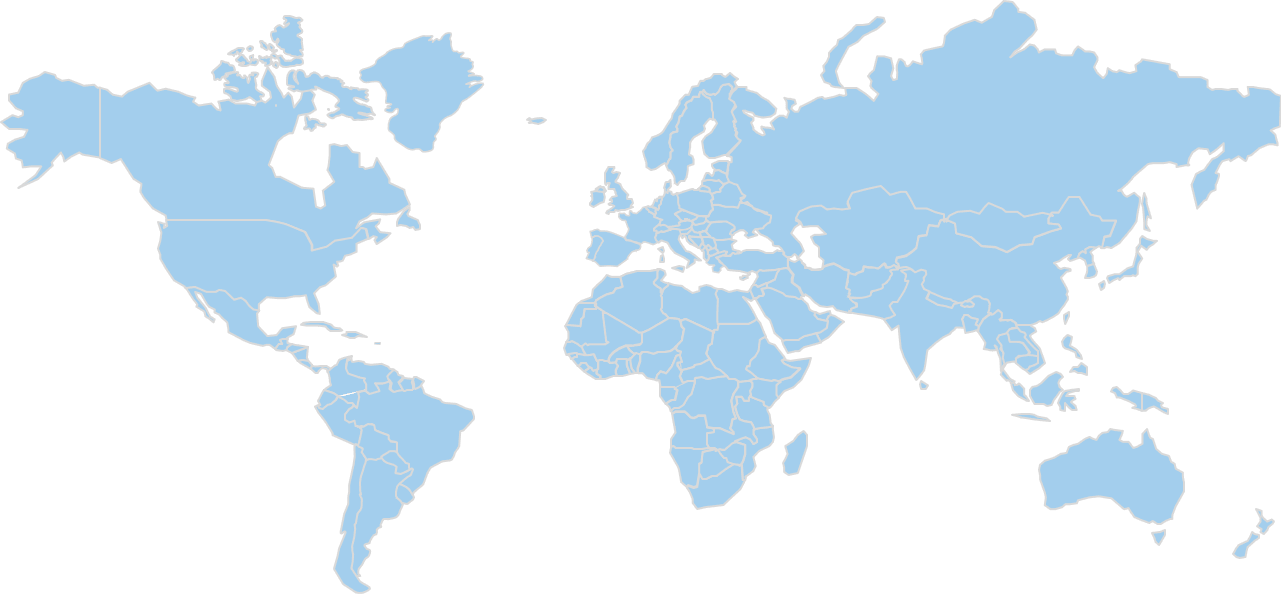
Only the leading region's share is published outside the report; pins mark the region, not a specific country.
Asia Pacific Market Analysis
The largest region covered, and the one gaining the most — it picks up 2 points of share by 2034, while revenue still grows 1.9×.
- Rank 1 of 5
- 2025 share 45%
- By 2034 47%
- Revenue $29.25B → $54.43B
In Asia Pacific, 45% of global revenue puts 2025 at USD 29.25 billion on the way to USD 54.43 billion by 2034. It is a dominant region on this axis, first by revenue throughout the period.
By 2034 the share has moved up to 47%, so the region grows faster than the market's 6.59% and takes a larger part of the revenue added by 2034 than its 2025 weight implies.
Within the region the type split tracks the global one; 72% of 2025 revenue in English Language International School, fastest growth of 8.17% in Other Language International School. Asia Pacific is reported axis by axis and country by country in the full study.
China
The largest market in Asia Pacific, growing 1.9×.
- In region 1 of 3
- Of region 35%
- Of global 15.8%
- Revenue $10.24B → $19.05B
The largest single market in Asia Pacific is China, at USD 10.24 billion in 2025 and USD 19.05 billion in 2034. It accounts for 35% of regional revenue in the base year, the largest single share without dominating the region outright. Against regional totals of USD 29.25 billion in 2025 and USD 54.43 billion in 2034, it is the country the full report breaks out in detail.
China buys along the same lines as the market globally; English Language International School first at 72% of 2025 revenue and 68% in 2034, Other Language International School fastest at 8.17% on a share moving from 28% to 32%. Since 35% of Asia Pacific's revenue is generated here, the regional numbers inherit this market's mix instead of smoothing it out. Revenue by type for China is reported separately in the full report.
International schools in China fall under the Ministry of Education and its provincial and municipal education bureaus, which draw a sharp line between schools licensed to enrol only foreign passport holders and those permitted to take Chinese nationals. A school open to Chinese students must teach the state curriculum and use approved textbooks for those pupils, with any foreign curriculum offered alongside rather than in place of it. Establishing a school requires registration with the local education authority, approval of premises and staffing, and compliance with rules restricting for-profit delivery of compulsory-stage education. Foreign investors typically operate through joint arrangements with a licensed domestic partner, and ongoing inspection covers curriculum content, teacher qualifications and ideological instruction requirements.
In China the field is Cognita Schools, GEMS Education, Maple Leaf Educational Systems, Nord Anglia Education, ACS International Schools, Braeburn Schools, Dulwich College International, Esol Education, Harrow International and And Others.. The commercially relevant division is 72% of 2025 revenue in English Language International School, where the volume is, against 8.17% growth in Other Language International School, where share moves. Country-level shares and positioning per company sit in the full report.
India
2nd-largest in Asia Pacific, growing 1.9×.
- In region 2 of 3
- Of region 20%
- Of global 9%
- Revenue $5.85B → $10.89B
9% of global revenue is generated in India; USD 5.85 billion in 2025, reaching USD 10.89 billion in 2034, and 20% of Asia Pacific.
Vietnam
3rd-largest in Asia Pacific, growing 1.9×.
- In region 3 of 3
- Of region 12%
- Of global 5.4%
- Revenue $3.51B → $6.53B
5.4% of global revenue is generated in Vietnam; USD 3.51 billion in 2025, reaching USD 6.53 billion in 2034, and 12% of Asia Pacific.
Middle East and Africa Market Analysis
The 2nd-largest region covered — it picks up 1 point of share by 2034, while revenue still grows 1.9×.
- Rank 2 of 5
- 2025 share 20%
- By 2034 21%
- Revenue $13B → $24.32B
USD 13 billion of 2025 revenue is generated in Middle East and Africa, 20% of the global k 12 international schools market rising to USD 24.32 billion in 2034. It is a leading region on this axis, second by revenue throughout the period.
Share climbs to 21% by 2034, on growth above the market's own 6.59%, and with a bigger contribution to the revenue added over the period than the base-year figure suggests.
Segment composition follows the global pattern: English Language International School largest at 72% of 2025 revenue, Other Language International School fastest at 8.17%. The full report breaks Middle East and Africa out along every axis and by country.
United Arab Emirates
The largest market in Middle East and Africa, growing 1.9×.
- In region 1 of 2
- Of region 45%
- Of global 9%
- Revenue $5.85B → $10.94B
The largest single market in Middle East and Africa is the United Arab Emirates, at USD 5.85 billion in 2025 and USD 10.94 billion in 2034. At 45% of the region in 2025 it leads, but a majority of Middle East and Africa's revenue is generated in other markets. Regional revenue of USD 13 billion in 2025 and USD 24.32 billion in 2034 sits around it, and it is the country used wherever the full report cuts a figure by geography.
the United Arab Emirates buys along the same lines as the market globally; English Language International School first at 72% of 2025 revenue and 68% in 2034, Other Language International School fastest at 8.17% on a share moving from 28% to 32%. Because the country carries 45% of Middle East and Africa, a movement in its own mix shows up in the regional totals instead of being averaged away by neighbouring markets. The full report reports the United Arab Emirates by type separately.
Regulation sits with the federal Ministry of Education alongside emirate-level bodies, chiefly the Knowledge and Human Development Authority in Dubai and the Department of Education and Knowledge in Abu Dhabi. A school must hold a licence tied to its declared curriculum, whether British, American, Indian or International Baccalaureate, and is subject to periodic inspection that assigns a public performance rating covering teaching quality, governance and student welfare. Tuition increases are capped against the inspection outcome under a published fee framework, and any change to curriculum, ownership or campus location needs prior authority approval. Staff vetting, facility safety standards and Arabic and Islamic studies provision for relevant pupils are also mandated conditions of continued licensing.
Competition in the United Arab Emirates runs between the suppliers this study tracks: Cognita Schools, GEMS Education, Maple Leaf Educational Systems, Nord Anglia Education, ACS International Schools, Braeburn Schools, Dulwich College International, Esol Education, Harrow International and And Others.. Two different problems sit on the same axis: holding English Language International School at 72% of 2025 revenue, and taking Other Language International School while it grows at 8.17%. A supplier weighted toward Middle East and Africa is competing over a base of USD 13 billion in 2025 reaching USD 24.32 billion by 2034, 20% of global revenue at the start of that period.
Saudi Arabia
2nd-largest in Middle East and Africa, growing 1.9×.
- In region 2 of 2
- Of region 25%
- Of global 5%
- Revenue $3.25B → $6.08B
Saudi Arabia is sized at USD 3.25 billion in 2025, rising to USD 6.08 billion by 2034; 5% of global revenue and 25% of Middle East and Africa. It is reported separately from the United Arab Emirates across every segmentation axis in the full report.
Europe Market Analysis
The 3rd-largest region covered — 2 points of share move elsewhere by 2034.
- Rank 3 of 5
- 2025 share 15%
- By 2034 13%
- Revenue $9.75B → $15.05B
In Europe, 15% of global revenue puts 2025 at USD 9.75 billion rising to USD 15.05 billion in 2034. By revenue it sits third across the study, and the ranking does not change between 2025 and 2034.
13% of global revenue sits here in 2034, below the 2025 level, and the region keeps growing in absolute terms while others expand faster, a change in relative weight, not a decline in demand.
Segment composition follows the global pattern: English Language International School largest at 72% of 2025 revenue, Other Language International School fastest at 8.17%. Revenue for Europe is broken out by every segmentation axis and by country in the full report.
United Kingdom
The largest market in Europe, growing 1.5×.
- In region 1 of 3
- Of region 40%
- Of global 6%
- Revenue $3.90B → $6.02B
The largest single market in Europe is the United Kingdom, at USD 3.9 billion in 2025 and USD 6.02 billion in 2034. 40% of the region in the base year makes it the largest market here without making it the region. Against regional totals of USD 9.75 billion in 2025 and USD 15.05 billion in 2034, it is the country the full report breaks out in detail.
The type pattern in the United Kingdom is the global one: 72% of 2025 revenue in English Language International School, 68% by 2034, against 8.17% growth in Other Language International School taking it from 28% to 32%. Because the country carries 40% of Europe, a movement in its own mix shows up in the regional totals instead of being averaged away by neighbouring markets. Revenue by type for the United Kingdom is reported separately in the full report.
Independent schools, the category most international and bilingual-curriculum providers fall into, register with the Department for Education and are held to the Independent School Standards covering the quality of education, welfare, health and safety, and suitability of staff and premises. Inspection is carried out by Ofsted or, for schools in the Independent Schools Inspectorate's membership associations, by the ISI acting under Department oversight. A school offering an overseas or international curriculum alongside or instead of the national curriculum must still demonstrate that pupils receive a broad and balanced education and that safeguarding arrangements meet the statutory framework. Membership of a recognised body such as the Council of British International Schools is voluntary but widely sought as an added quality marker.
Competition in the United Kingdom runs between the suppliers this study tracks: Cognita Schools, GEMS Education, Maple Leaf Educational Systems, Nord Anglia Education, ACS International Schools, Braeburn Schools, Dulwich College International, Esol Education, Harrow International and And Others.. Two different problems sit on the same axis: holding English Language International School at 72% of 2025 revenue, and taking Other Language International School while it grows at 8.17%. That makes Europe a 15% share of 2025 global revenue, USD 9.75 billion rising to USD 15.05 billion, for any supplier deciding where to concentrate.
Switzerland
2nd-largest in Europe, growing 1.5×.
- In region 2 of 3
- Of region 25%
- Of global 3.8%
- Revenue $2.44B → $3.76B
Switzerland is sized at USD 2.44 billion in 2025, rising to USD 3.76 billion by 2034; 3.75% of global revenue and 25% of Europe. It is reported separately from the United Kingdom across every segmentation axis in the full report.
Germany
3rd-largest in Europe, growing 1.5×.
- In region 3 of 3
- Of region 15%
- Of global 2.3%
- Revenue $1.46B → $2.26B
Within Europe, Germany accounts for 15% of regional revenue and 2.25% of the global total, worth USD 1.46 billion in 2025 and USD 2.26 billion by 2034.
North America Market Analysis
The 4th-largest region covered — 1 point of share move elsewhere by 2034, while revenue still grows 1.6×.
- Rank 4 of 5
- 2025 share 12%
- By 2034 11%
- Revenue $7.80B → $12.74B
USD 7.8 billion of 2025 revenue is generated in North America, 12% of the global k 12 international schools market rising to USD 12.74 billion in 2034. Among the five regions it ranks fourth by revenue in both years.
Share settles at 11% in 2034, though revenue still rises throughout; the shift is in the region's weight against faster-growing ones, which is not the same as weakening demand.
The type mix reported at global level applies here, with English Language International School the largest line at 72% of 2025 revenue and Other Language International School the fastest-growing at 8.17%. The full report breaks North America out along every axis and by country.
United States
Sets the pace for North America at 78% of it, growing 1.6×.
- In region 1 of 2
- Of region 78%
- Of global 9.3%
- Revenue $6.08B → $9.81B
USD 6.08 billion of North America's 2025 revenue is generated in the United States, the region's largest market, reaching USD 9.81 billion by 2034. Because it is 78% of the region in the base year, North America's totals move with this one country instead of a spread of them. Against regional totals of USD 7.8 billion in 2025 and USD 12.74 billion in 2034, it is the country the full report breaks out in detail.
the United States buys along the same lines as the market globally; English Language International School first at 72% of 2025 revenue and 68% in 2034, Other Language International School fastest at 8.17% on a share moving from 28% to 32%. With 78% of North America concentrated here, a change in this country's mix is visible in the regional figures instead of being diluted by its neighbours. Revenue by type for the United States is reported separately in the full report.
Education regulation in the United States runs through the states rather than a single federal authority, so a school's obligations depend on where it operates. Private and international schools are generally exempt from state curriculum mandates but must still meet requirements covering facility safety, teacher background checks, and, in many states, a simple notice of intent to operate filed with the state education agency. Recognition beyond that baseline is earned through voluntary accreditation from a regional or national accrediting commission, which reviews governance, financial stability, and educational quality on a renewal cycle and is often what international families and receiving universities treat as the real marker of legitimacy. Schools authorised to teach the International Baccalaureate or Advanced Placement curricula answer separately to those programmes' own authorisation standards.
The suppliers tracked in this study (Cognita Schools, GEMS Education, Maple Leaf Educational Systems, Nord Anglia Education, ACS International Schools, Braeburn Schools, Dulwich College International, Esol Education, Harrow International and And Others.) compete in the United States across the type lines above. Volume sits in English Language International School at 72% of 2025 revenue; movement sits in Other Language International School at 8.17% growth. A supplier weighted toward North America is competing over a base of USD 7.8 billion in 2025 reaching USD 12.74 billion by 2034, 12% of global revenue at the start of that period.
Canada
2nd-largest in North America, growing 1.7×.
- In region 2 of 2
- Of region 22%
- Of global 2.6%
- Revenue $1.72B → $2.93B
Within North America, Canada accounts for 22% of regional revenue and 2.65% of the global total, worth USD 1.72 billion in 2025 and USD 2.93 billion by 2034.
Latin America Market Analysis
The 5th-largest region covered, holding its share flat through 2034, while revenue still grows 1.8×.
- Rank 5 of 5
- 2025 share 8%
- By 2034 8%
- Revenue $5.20B → $9.26B
USD 5.2 billion of 2025 revenue is generated in Latin America, 8% of the global k 12 international schools market rising to USD 9.26 billion in 2034. It is a marginal region on this axis, fifth by revenue throughout the period.
Its share moves to 8% by 2034, and the region keeps growing in absolute terms while others expand faster, a change in relative weight, not a decline in demand.
English Language International School leads here as it does globally, at 72% of 2025 revenue, and Other Language International School again grows fastest at 8.17%. The full report breaks Latin America out along every axis and by country.
Brazil
The largest market in Latin America, growing 1.8×.
- In region 1 of 2
- Of region 45%
- Of global 3.6%
- Revenue $2.34B → $4.17B
USD 2.34 billion of Latin America's 2025 revenue is generated in Brazil, the region's largest market, reaching USD 4.17 billion by 2034. At 45% of the region in 2025 it leads, but a majority of Latin America's revenue is generated in other markets. Against regional totals of USD 5.2 billion in 2025 and USD 9.26 billion in 2034, it is the country the full report breaks out in detail.
Composition here matches the global split: the largest line is English Language International School at 72% of 2025 revenue, easing to 68% by 2034, and the fastest is Other Language International School at 8.17%, from 28% to 32%. Because the country carries 45% of Latin America, a movement in its own mix shows up in the regional totals instead of being averaged away by neighbouring markets. The full report reports Brazil by type separately.
The Ministério da Educação sets the national framework, but authorisation to open and operate a school rests with the state or municipal Secretaria de Educação and its Conselho de Educação, which approves premises, governance and pedagogical plans before a licence is granted. A school enrolling Brazilian nationals must teach the Base Nacional Comum Curricular alongside any foreign or bilingual programme it offers, and any diploma intended for national recognition has to map back to that base curriculum. Foreign curricula such as the International Baccalaureate can run in parallel once the school has separately secured authorisation from that programme's own governing body. Staff qualification records, attendance reporting and periodic pedagogical review by the local council are ongoing conditions of the licence rather than one-off approvals.
Competition in Brazil runs between the suppliers this study tracks: Cognita Schools, GEMS Education, Maple Leaf Educational Systems, Nord Anglia Education, ACS International Schools, Braeburn Schools, Dulwich College International, Esol Education, Harrow International and And Others.. Volume sits in English Language International School at 72% of 2025 revenue; movement sits in Other Language International School at 8.17% growth. A supplier weighted toward Latin America is competing over a base of USD 5.2 billion in 2025 reaching USD 9.26 billion by 2034, 8% of global revenue at the start of that period.
Mexico
2nd-largest in Latin America, growing 1.8×.
- In region 2 of 2
- Of region 30%
- Of global 2.4%
- Revenue $1.56B → $2.78B
2.4% of global revenue is generated in Mexico; USD 1.56 billion in 2025, reaching USD 2.78 billion in 2034, and 30% of Latin America.
Request this sample to see the full data tables and segment-level detail behind this analysis.
Report Coverage
This report assesses the market across every segment, with revenue and a growth rate for each line in each year of the study period. It covers the drivers, trends, opportunities, restraints and challenges shaping growth, the competitive landscape and the companies profiled, and the research methodology behind every estimate. Segmentation is reported by Type, Application, Curriculum, Ownership Model, Fee Tier, and regional analysis covers Asia Pacific, Middle East and Africa, Europe, North America, Latin America, each broken out by country.
Competitive Landscape
Position on the Type Axis Decides Competitive Standing
Suppliers in scope: Cognita Schools, GEMS Education, Maple Leaf Educational Systems, Nord Anglia Education, ACS International Schools, Braeburn Schools, Dulwich College International, Esol Education, Harrow International and And Others..
The type axis, not the regional one, is where competition happens. Volume sits in English Language International School, USD 46.8 billion and 72% of 2025 revenue, 68% by 2034, which is also where an incumbent is hardest to dislodge. Other Language International School, compounding at 8.17% against 5.91% for English Language International School, is where share changes hands over the forecast period. The two rarely sit with the same supplier, and that is the reason a USD 65 billion market is not already consolidated.
Scale in this market comes from curriculum accreditation breadth, campus network reach and teacher recruitment pipelines rather than product differentiation alone. The largest operators run multi-country school groups, letting them spread accreditation costs, standardize curriculum delivery and negotiate teacher relocation and training programs across dozens of campuses, which smaller single-school operators cannot match. Brand recognition among relocating families and corporate mobility departments favors established group operators when a family is choosing a school sight unseen in a new country. Independent and regional operators compete instead on local reputation, community ties, and flexibility to tailor fee structures and admissions to a specific city's expatriate and local demand mix.
The regional picture sets the entry cost: 45% of revenue is in Asia Pacific and 20% in Middle East and Africa, so a credible global position requires both, while Latin America at 8% can be served opportunistically.
The full report carries a profile, financials, share and development history for each company named; none of that is in this summary.
List of Key K 12 International Schools Market Companies Profiled
10 companies profiled. Company profiles, including financials, product portfolios and recent developments, are part of the full report.
- Cognita Schools(United Kingdom)
- GEMS Education(United Arab Emirates)
- Maple Leaf Educational Systems(Canada)
- Nord Anglia Education(Hong Kong)
- ACS International Schools(United Kingdom)
- Braeburn Schools(Kenya)
- Dulwich College International(Hong Kong)
- Esol Education(United Arab Emirates)
- Harrow International(United Kingdom)
- And Others.
Geographic Coverage
Every market below is broken out separately in the report.
Asia Pacific
12Middle East and Africa
4Europe
8North America
3Latin America
3Key Insights
Report Scope
Study parameters & segmentationThis study covers market size and forecasts over the 2020–2034 period, segmentation across 5 axes (Type, Application, Curriculum, Ownership Model, Fee Tier), regional analysis for 5 regions and their constituent countries, a competitive landscape profiling 10 key companies, and the research methodology behind every estimate.
Segmentation
5 axes + regionFull chapter-and-section structure of the report. Segment, region, and company breakdowns are listed as scope. The underlying figures are in the sample and full report.
Table of Contents+−
Chapter 1.Executive Summary
Chapter 2.Premium Insights
Chapter 3.Market Definition
Chapter 4.Research Methodology
Chapter 5.Strategic Imperatives & Market Outlook
Chapter 6.Go-to-Market (GTM) Strategies
Chapter 7.Market Trends, Strategy & Dynamics
Chapter 8.Porter's Five Forces
Chapter 9.PESTEL Analysis
Chapter 10.Value Chain Analysis
Chapter 11.Supply Chain Analysis
Chapter 12.Macro-Economic Factors
Chapter 13.Market Cost Analysis
Chapter 14.Market Supply-Side Analysis
Chapter 15.Global K 12 International Schools Market Size & Projections, 2020–2034, Revenue (USD Billion)
Chapter 16.Global K 12 International Schools Market Overview, By Type, 2020–2034, Revenue (USD Billion)
Chapter 17.Global K 12 International Schools Market Overview, By Application, 2020–2034, Revenue (USD Billion)
Chapter 18.Global K 12 International Schools Market Overview, By Curriculum, 2020–2034, Revenue (USD Billion)
Chapter 19.Global K 12 International Schools Market Overview, By Ownership Model, 2020–2034, Revenue (USD Billion)
Chapter 20.Global K 12 International Schools Market Overview, By Fee Tier, 2020–2034, Revenue (USD Billion)
Chapter 21.Global K 12 International Schools Market Size — Segment Comparison
Chapter 22.Global K 12 International Schools Geography Overview, 2020–2034, Revenue (USD Billion)
Chapter 23.Asia Pacific K 12 International Schools Market Deep-Dive, 2020–2034, Revenue (USD Billion)
Chapter 24.Middle East and Africa K 12 International Schools Market Deep-Dive, 2020–2034, Revenue (USD Billion)
Chapter 25.Europe K 12 International Schools Market Deep-Dive, 2020–2034, Revenue (USD Billion)
Chapter 26.North America K 12 International Schools Market Deep-Dive, 2020–2034, Revenue (USD Billion)
Chapter 27.Latin America K 12 International Schools Market Deep-Dive, 2020–2034, Revenue (USD Billion)
Chapter 28.Application / Use-Case Analysis
Chapter 29.Vendor Capability Scorecard
Chapter 30.Scenario Forecasts
Chapter 31.Top 10 Key Clients of Top 10 Players
Chapter 32.Top 10 Suppliers
Chapter 33.Competitive Landscape
Chapter 34.Partnerships & M&A
Chapter 35.Key Vendor Analysis
Chapter 36.Marketing Strategy Analysis, Distributors & Traders
Chapter 37.Outlook of the Market
Chapter 38.Concluding Analyst Note
List of Figures+−
Structural index generated from this report's own section headings, not verified against the delivered report's actual figure numbering.
List of Tables+−
Structural index generated from this report's own section headings, not verified against the delivered report's actual table numbering.
Segmentation Analysis
5 axesBy Type
2- 01English Language International School
- 02Other Language International School
By Application
5- 01Pre-primary School
- 02Primary School
- 03Middle School
- 04High School
- 05Other
By Curriculum
4- 01British
- 02International Baccalaureate
- 03American
- 04Others
By Ownership Model
2- 01Chain-operated (Group-owned)
- 02Independent (Standalone)
By Fee Tier
3- 01Premium
- 02Mid-tier
- 03Affordable
Segment categories shown for scope reference. See the Summary tab for revenue share by By Type. Full segment-by-segment detail across every axis is available in the sample and full report.
Research approach
A market size is a claim about the world, and a claim is only as good as the route to it. Every study is built upward from units and prices — what is actually produced, sold or performed, at what it actually changes hands for — rather than from a headline figure divided downwards. Disclosed company revenue is then used to check that build, not to produce it.
The estimate is built upward from enrolled student counts by school type and curriculum, multiplied by average annual tuition realized per student across premium, mid-tier and affordable fee bands, then summed to a global total. A single blended tuition rate would overstate revenue in markets where affordable campuses carry a large share of enrollment, so each band is priced separately. Enrollment volumes draw on national and regional international-school census figures, cross-checked against campus capacity and occupancy reported by school groups. The bottom-up build is checked against disclosed revenue and campus counts from the named operating groups. Where a group's reported per-campus revenue implies a different tuition realization than the modeled input, the enrollment or tuition assumption is corrected to match the disclosed figure.
The four stages
The same sequence runs behind every published study, whatever the industry. The order matters as much as the steps: the segment axes are fixed before any number is collected, so the model is never reshaped to fit whatever data happens to turn up.
What the build rests on, and what checks it
The two are not interchangeable. The left column produces the number; the right column tests it. When the check disagrees with the build, the answer is to find which bottom-up assumption is wrong — a unit count, a price, a take-up rate — not to split the difference between them.
- Volume actually transacted — units produced, installed, dispensed or procedures performed, counted at the level each is genuinely recorded
- Realised pricing by tier and channel, rather than one blended average applied across the whole market
- Take-up and frequency: how much of the addressable base buys, and how often it repeats
- Disclosed revenue of the companies serving the market, where filings separate it far enough to be usable
- Buyer-side spending totals — capital budgets, procurement lines, or the output of the end market the product is bought against
- Trade and customs flows, where the product crosses borders in a separately recorded form
Data sources
Published data establishes what happened. Only the people transacting in a market can say why, and what is about to change — so the two are collected separately and weighted differently.
- Commercial and product leadership at the companies that supply the market
- Procurement and specification leads at the organisations that buy it
- Distributors, integrators and channel partners, where the market is served indirectly
- Regulatory and standards specialists, where approval governs what can be sold at all
- Company filings, annual reports and investor disclosure
- Government statistics, customs records and regulatory registers
- Trade association output and standards-body publications
- Technical and peer-reviewed literature, where the market rests on a clinical or engineering claim
Interviews target school-group commercial and admissions directors, campus principals, education-ministry licensing officials and relocation or mobility managers at multinational employers who influence where a family enrolls. Procurement-side conversations focus on facility developers and campus operators who negotiate land, construction and long-term lease terms for new international-school campuses. Sampling weights Asia Pacific and the Gulf states most heavily, since new campus openings and enrollment growth concentrate there, with a smaller share of interviews conducted in North America and Europe, where the base of established schools is more mature and change is incremental. Regulatory contacts are prioritized in markets that have recently changed foreign-ownership or curriculum-approval rules, since those rule changes are the clearest signal of where capacity is about to shift.
Desk research draws on national ministry-of-education school registries and international-school accreditation body listings (Council of International Schools, Council of British International Schools, Middle States Association), which publish campus counts, curriculum affiliation and, in several markets, enrollment bands by school. Foreign-ownership and licensing filings from Gulf and Southeast Asian education regulators are used to confirm which campuses hold a valid international-curriculum license. Company filings and investor presentations from the named operating groups supply disclosed campus counts and, where public, segment revenue. Real-estate and construction-permit records for new campus developments in Gulf and Southeast Asian growth markets are used to corroborate near-term capacity additions ahead of their opening.
Desk research runs across proprietary research databases including Factiva, OneSource and Hoovers alongside the public sources above. Modelling and statistical validation are run in SAS and SPSS.
Forecasting
The forecast is not a growth rate applied to a base year. It is built from the drivers that are expected to change, each one stated so a reader can disagree with it.
The forecast carries forward enrollment growth by curriculum and fee tier, driven mainly by continued expatriate relocation into Gulf and Southeast Asian business hubs and by rising demand from local families for an international curriculum and an English-language university pathway. Tuition realization is assumed to rise fastest in the affordable tier as new lower-cost campus brands open in secondary cities, narrowing but not closing the gap to premium pricing. The model normalizes for the sharp 2020-2021 disruption to enrollment caused by border and campus closures, treating that period as temporary rather than a new base level. The forecast holds only if foreign-family mobility and local demand for international curricula keep expanding near their recent pace.
Triangulation and validation
No figure enters a report on the strength of one source. Where the two sizing routes disagree the difference is not averaged away — the assumption causing it is isolated, tested against a third independent measure, and either corrected or carried forward as a stated limitation. Historical years are back-tested against the growth actually recorded before any forecast is allowed to run forward from them.
Modeled enrollment and revenue for 2021 through 2024 are back-tested against recorded school-census growth rates for those years, and the input assumptions are adjusted where the modeled trajectory diverges from the recorded one. Segment share shifts, particularly the move toward the International Baccalaureate curriculum and toward chain-operated campuses, are reviewed against enrollment mix reported by school groups over the same years. Sensitivities are tested on the two assumptions the forecast depends on most: the pace of expatriate relocation into Gulf and Southeast Asian markets, and the rate at which affordable-tier campuses absorb local demand. Where a sensitivity test produces a materially different 2034 outcome, the underlying assumption is flagged for closer review rather than smoothed into the base case.
Confidence and limitations
Where an estimate is firm and where it is not is stated rather than left to be inferred from the precision of the number.
Confidence is highest for enrollment and revenue in the Gulf states and Southeast Asia, where campus-level licensing records and school-group disclosures are both current and detailed. It is lower for the ownership-model split in markets where many campuses remain privately held with no public reporting at all, and lower still for fee-tier granularity in Latin America and Africa, where published tuition data is thin and estimates lean more on regional analogues. A change in foreign-ownership rules in a major Gulf or Southeast Asian market, or a sustained slowdown in expatriate relocation, are the two developments most likely to force a revision of this estimate.
Every report purchase includes direct access to the lead analyst for scoping questions on the data, at no extra cost and with no separate booking process.
Request a tailored breakdown by geography, segment, or competitor set beyond what's in the standard report.
Questions This Report Answers
6 questionsWhat is the market size and growth rate, globally and by region?
How is the market segmented, and which segments lead?
Which regions and countries are covered, and how do they compare?
What are the key drivers, restraints, opportunities and challenges?
Who are the leading companies operating in this market?
What trends are expected to shape the market through the forecast period?
Frequently Asked Questions
01What is the K 12 International Schools Market projected to reach?
USD 115.8 Billion by 2034, CAGR 6.59%
02What years does this report cover?
Study period 2020–2034, base year 2025, historical data 2020-2024, forecast period 2026-2034.
03Which regions are covered?
Asia Pacific, Middle East and Africa, Europe, North America, Latin America.
04Which region accounted for the largest market share?
Asia Pacific leads with 45% of global revenue through 2034.
05Which segment leads the market?
English Language International School is the largest line by Type, at 72% of revenue in 2025.
06Who are the key companies profiled?
Cognita Schools, GEMS Education, Maple Leaf Educational Systems, Nord Anglia Education, ACS International Schools, Braeburn Schools, Dulwich College International, Esol Education, Harrow International, And Others.. Full profiles are part of the paid report.
07Can the segmentation be customized?
Yes. Custom data cuts by geography, segment, or competitor set are available on request.
Why choose CDI
Need this report shaped around your question?
The scope isn't fixed. Tell us what your team needs that the standard edition doesn't cover, and an analyst will come back on what can be adjusted and how long it takes, before you commit to anything.
Most licences include 30–60 hours of customization at no extra cost. See what each licence includes
Additional Companies
Add competitors, suppliers or the peer set you benchmark against to the companies already covered.
Deeper Competitive View
Sharpen the landscape work around your own position: product line, channel, or a named shortlist of rivals.
Extra Segment Splits
Break the market down along an axis the standard scope doesn't cut it by, or go a level deeper inside one.
Application Focus
Narrow the analysis to the specific use cases and end users your team actually sells into.
Different Time Frame
Move the base year, or widen the historical and forecast windows the study is built on.
Country-Level Detail
Go below region level into the individual countries that matter to you, rather than the standard geography split.